DS 20 Mirage - Top Loadout WhosImmortal
MODS
GUIDE
Best DS20 Mirage Loadout in Warzone for a Stable Mid-Range Build
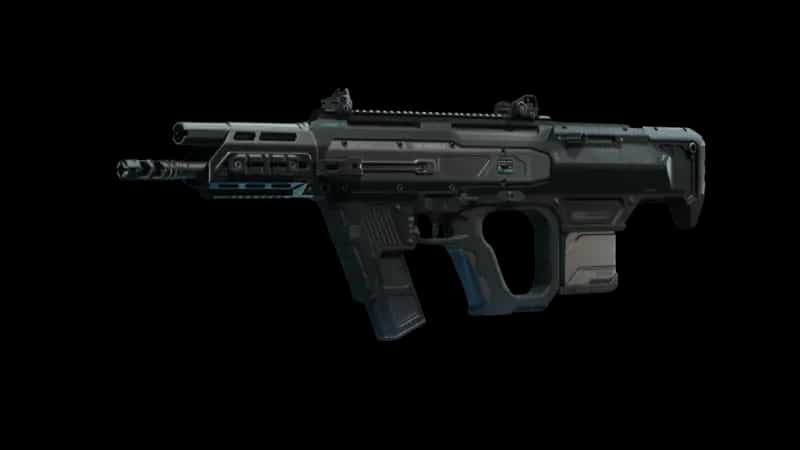
The DS20 Mirage becomes a much more convincing Warzone option when it is built around consistency rather than raw aggression. With the right combination of recoil support, a clean optic and enough ammunition to survive extended squad fights, the weapon settles naturally into the mid-range role where assault rifles are expected to do most of the heavy lifting. This setup favors players who like to take controlled fights, punish exposed rotations and keep pressure on enemies without constantly fighting the gun's movement.
What makes this particular configuration interesting is its balance. The 17.1" Abdicator Barrel and Monolithic Suppressor give the DS20 Mirage the foundation of a ranged primary, while the VAS Convergence Foregrip helps keep sustained fire manageable. The Fang HoverPoint ELO prevents the build from becoming unnecessarily cumbersome, and the Andean Extended Mag I provides the extra rounds that matter once armor plates and multiple opponents enter the equation. It is not designed to turn the Mirage into a hyper-mobile close-range weapon; instead, it makes its strongest qualities easier to exploit.
Best Loadout
This DS20 Mirage build is focused on reliable mid-range pressure, controllable automatic fire and enough magazine capacity to stay involved when a fight lasts longer than a single burst.
| Attachment Slot | Selected Attachment |
|---|---|
| Muzzle | Monolithic Suppressor |
| Barrel | 17.1" Abdicator Barrel |
| Optic | Fang HoverPoint ELO |
| Underbarrel | VAS Convergence Foregrip |
| Magazine | Andean Extended Mag I |
Attachment Analysis
The most important relationship in this setup is between the 17.1" Abdicator Barrel, Monolithic Suppressor and VAS Convergence Foregrip. Together, they push the DS20 Mirage toward a steadier firing profile suited to engagements where landing the fourth, fifth and sixth bullet matters just as much as hitting the first. The barrel gives the weapon a more range-oriented character, while the suppressor complements that approach by keeping the rifle discreet during rotations and prolonged exchanges. In Warzone, avoiding an unnecessary reveal can be almost as valuable as shaving a fraction from a theoretical time-to-kill.
Recoil management is where the VAS Convergence Foregrip earns its place. A ranged rifle can have excellent damage potential on paper and still feel mediocre if too many bullets drift away from a moving target. This foregrip helps the Mirage remain composed when tracking players across streets, rooftops or open sections of terrain. The result is a weapon that encourages longer controlled sprays rather than repeatedly releasing the trigger to recover from excessive movement.
The Fang HoverPoint ELO also fits the philosophy of the build. Instead of adding a high-magnification optic that could make close transitions awkward, it keeps the sight picture simple and responsive. That matters when an opponent suddenly appears at 20 or 30 meters and there is no time to settle behind a bulky scope. Combined with the Andean Extended Mag I, the Mirage becomes much more forgiving during squad engagements. Extra ammunition gives you room to finish a downed player, transfer onto a second target or keep firing while an enemy tries to cross between pieces of cover.
There is naturally a trade-off. Building around stability, suppression and magazine capacity means the DS20 Mirage should not be treated like a lightweight SMG. Its value comes from controlling useful sightlines and arriving prepared for the fight rather than relying on frantic movement to rescue a bad position. The attachment package works because every part supports that same identity: a dependable primary capable of staying accurate while keeping meaningful pressure on opponents beyond immediate close-quarters distance.
Gameplay Tips
One habit I would develop quickly with this build is pre-aiming the places enemies are forced to cross. Imagine a squad leaving a building and having to move across a street before reaching the next piece of cover. That is exactly the kind of moment I want with the DS20 Mirage. I would already have the Fang HoverPoint ELO centered around chest level and begin tracking the first player as soon as they commit. The steadier configuration lets you keep shots connected instead of losing the target halfway through the spray.
I would be more cautious when chasing a cracked opponent into a staircase or cramped room. That extra plate damage can tempt you into an immediate push, but the Mirage build is far more comfortable when you make the enemy reappear into your crosshair. If somebody disappears through a doorway with an SMG, I would usually reposition to another angle or let my secondary handle the chase. Giving away the rifle's positional advantage just to force a close-range duel is rarely worth it.
Rooftops are another good example. When holding elevation, I like having enough rounds to shoot one player, force his teammate away from a revive, and still have ammunition available if somebody challenges from another angle. The Andean Extended Mag I provides breathing room here. I still would not waste half the magazine shooting at tiny silhouettes hundreds of meters away; the Mirage feels more useful when the target is close enough that recoil control can translate into repeated armor hits.
In Resurgence, I would play slightly faster with it. Enemies return quickly, fights overlap, and a building that looked safe ten seconds ago can suddenly contain another squad. The Mirage works well as the weapon I have ready while moving between cover, especially before crossing courtyards or approaching rooftops where I expect contact. In Battle Royale, I would be more deliberate, using terrain and rotations to create favorable angles before exposing myself.
Moving targets deserve patience. When somebody is sprinting diagonally across open ground, I would rather maintain a smooth track than violently correct the reticle after every missed bullet. A stable rifle rewards small adjustments. Once the first few shots connect, keep the sight moving with the player and let the build do its job.
The moment I would reload is also something I would think about constantly. After winning a duel with 15 or 20 rounds remaining, I would not automatically start the animation if footsteps are nearby. Those remaining bullets may be enough to stop the next player from turning a good engagement into a squad wipe. With this Mirage setup, staying ready for the second opponent matters more than having a perfectly full magazine.
Conclusion
This DS20 Mirage configuration gives Warzone players a well-rounded primary built around control, practical range and sustained pressure. The Abdicator Barrel, Monolithic Suppressor and VAS Convergence Foregrip establish a stable foundation, while the Fang HoverPoint ELO and Andean Extended Mag I keep the weapon comfortable when fights become messy.
It is a particularly strong choice for players who prefer creating advantages through positioning rather than forcing every engagement at point-blank range. Give the Mirage a clean firing lane, resist unnecessary indoor chases, and this build can become the kind of rifle that quietly wins several important fights during the course of a match.
PERKS & EQUIPMENT
- Drill Instructor
- Sprinter
- Adaptive
Equipment
- LethalCombat Axe
- TacticalStim Shot