DS20 Mirage DUAL FIRE Kit - Loadout BearPig
MODS
GUIDE
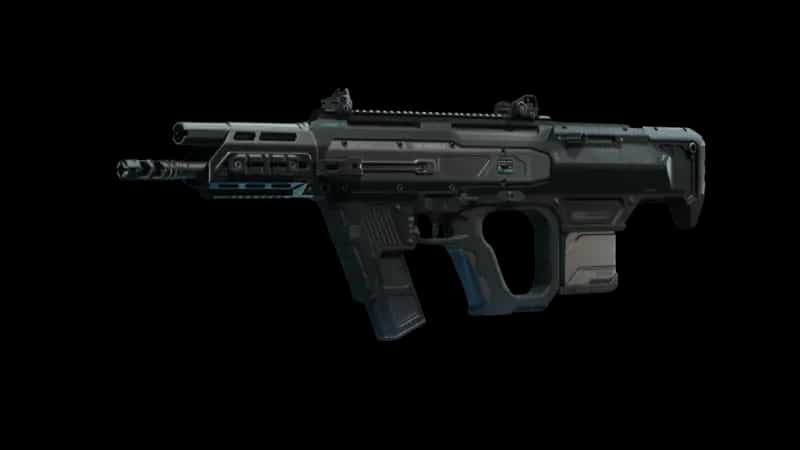
Best DS20 Mirage Loadout for Warzone: Dual Fire Kit Build
The DS20 Mirage becomes a very different weapon once the Dual Fire Kit enters the setup. Instead of building it like a conventional rifle focused purely on clean, measured accuracy, this configuration leans into aggressive pressure, sustained fire, and the ability to overwhelm opponents before they can comfortably reset a gunfight. The result is a Warzone loadout that rewards players who stay active, take space, and understand when to commit rather than sitting at extreme range waiting for perfect shots.
There is still enough control here to make the DS20 Mirage reliable beyond point-blank distance, but this is not a passive long-range beam build. The combination of the Titan-R 5.56 Compensator, 16" Redwell JX-201 Barrel, and Assault Division Stock gives the weapon a much firmer platform, while the Convergence Box Laser helps keep it responsive when fights become chaotic. Add the Dual Fire Kit, and the entire character of the gun shifts toward high-pressure engagements where maintaining accuracy while moving matters more than chasing maximum theoretical range.
Best Loadout
This DS20 Mirage setup is built around the Dual Fire Kit, with the other four attachments compensating for the extra demands that an aggressive firing configuration can place on handling and weapon control.
| Attachment Slot | Selected Attachment |
|---|---|
| Muzzle | Titan-R 5.56 Compensator |
| Barrel | 16" Redwell JX-201 Barrel |
| Laser | Convergence Box Laser |
| Stock | Assault Division Stock |
| Underbarrel | DS20 Mirage Dual Fire Kit |
Attachment Analysis
What makes this combination interesting is that the supporting attachments are not trying to turn the DS20 Mirage into something it is not. The DS20 Mirage Dual Fire Kit is clearly the centerpiece, so the rest of the build is designed to make that conversion easier to manage during real Warzone engagements. The Titan-R 5.56 Compensator helps settle the weapon during sustained shooting, which becomes especially valuable when tracking a target instead of firing isolated bursts. The less time spent correcting the sight picture, the more effectively the build can keep pressure on armor.
The 16" Redwell JX-201 Barrel adds some much-needed structure to the setup. A weapon configured for aggressive fire still needs enough effective range and projectile consistency to avoid becoming useless as soon as an opponent crosses a street or retreats to another rooftop. The barrel gives the DS20 Mirage a stronger foundation for those medium-distance fights, helping it maintain a more convincing presence when the engagement moves beyond typical indoor distances.
Handling is where the Convergence Box Laser and Assault Division Stock become important. A specialized build can easily become frustrating if every movement transition feels sluggish, so these attachments help preserve the responsiveness needed when clearing rooms, snapping toward a second target, or repositioning during a squad fight. Rather than maximizing one statistical category, the five attachments create a more balanced version of a deliberately unconventional setup: improved stability, usable range, dependable tracking, and enough mobility to keep the weapon from feeling anchored to the ground.
There is a trade-off, though. This is not the DS20 Mirage configuration I would choose specifically for disciplined long-range suppression. The Dual Fire Kit asks you to play closer to the action, and the lack of a dedicated optic or extended magazine means positioning and target selection matter. Its strength comes from creating uncomfortable fights for opponents, not from patiently exchanging bullets across huge open spaces.
Gameplay Tips
A building push is where I would start looking for opportunities with this setup. If a teammate cracks someone through a window and the enemy squad immediately backs deeper into the structure, I would rather close the gap than stand outside trying to finish the kill through awkward angles. The DS20 Mirage has enough control to cover the approach, but the Dual Fire Kit becomes much more threatening once the fight starts moving through doors, hallways, staircases, and adjacent rooms.
I would be more careful when chasing someone across exposed terrain. Seeing a cracked enemy sprint between two pieces of cover is tempting, but this build works better when the target is inside a range where you can keep continuous pressure without fighting excessive visual movement or wasting shots. If the opponent reaches a distant wall or rooftop and starts head-glitching, I would usually reposition instead of forcing a bad duel. There is no reason to turn an aggressive setup into a precision rifle just because somebody is visible.
Moving enemies are a better match for the build. When someone is strafing out from behind a truck, parachuting toward a nearby roof, or trying to break line of sight around a building corner, I would focus more on smooth tracking than on constantly correcting with sharp aim adjustments. The compensator and stock should make sustained tracking feel much more manageable, and that is exactly where I want the weapon doing its work.
One habit I would avoid is automatically holding the trigger whenever two opponents appear. Warzone squad fights punish wasted ammunition brutally. Without an extended magazine occupying one of the attachment slots, I would treat every reload as part of the positioning decision. Down one player, move behind the doorway or rooftop cover, reload while the enemy team is reacting, then re-enter the fight. Standing in the open trying to finish a second target with the final rounds in the weapon is the kind of mistake that turns an advantage into a trip to the Gulag.
Resurgence lets me push the concept harder. Faster rotations and repeated building fights give this configuration more opportunities to force short, messy engagements, particularly when enemies are returning from redeployment with incomplete setups. In Battle Royale, I would preserve it for controlled pushes and keep another weapon available for open-field rotations or extended rooftop exchanges. If the circle forces a long crossing with several teams watching, the DS20 Mirage would not be the gun I want carrying the entire loadout.
The most important decision comes immediately after breaking armor. Sometimes the correct reaction is to chase, but not automatically. If the opponent disappears behind a doorway and I know another teammate is holding the staircase, I would rather shift angle and catch the support player than sprint directly into the obvious trade. This build can generate pressure very quickly; using that pressure to make enemies move is often more valuable than blindly following the first cracked player.
Conclusion
This DS20 Mirage Warzone loadout is built for players who want the weapon to feel aggressive, distinctive, and capable of maintaining pressure through rapidly changing fights. The Dual Fire Kit defines the setup, while the Titan-R compensator, Redwell barrel, Convergence Box Laser, and Assault Division Stock give it the control and responsiveness required to make that approach practical.
It will not replace a dedicated long-range rifle, and it asks for smarter ammunition management than a conventional extended-mag build. Within its preferred fighting space, though, it offers a much more assertive version of the DS20 Mirage. If your Warzone style revolves around collapsing on damaged squads, taking buildings quickly, and forcing opponents to make hurried decisions, this configuration deserves a slot in your next loadout.
PERKS & EQUIPMENT
- Scavenger
- Sprinter
- Adaptive
Equipment
- LethalCombat Axe
- TacticalStim Shot