DS20 Mirage - new Loadout for Warzone Season 6
MODS
GUIDE
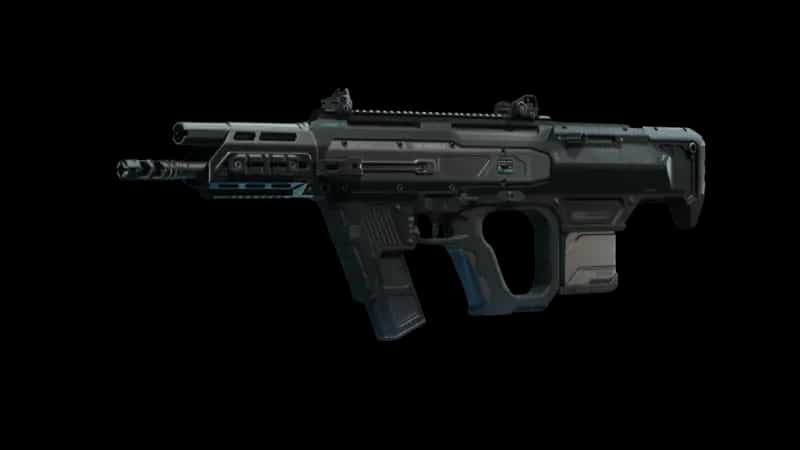
Best DS20 Mirage Loadout for Warzone: A Steadier Build for Mid-Range Fights
A good Warzone rifle has to do more than hit hard on paper. It needs to stay manageable while an opponent slides behind cover, crosses a street or fires back from a rooftop. This DS20 Mirage build is aimed at those fights: it pairs a longer barrel and a recoil-focused muzzle with a clear optic, a stabilising stock and a magazine chosen for quicker reloads.
The result suits a player who likes to take an angle before shooting and keep pressure on a target as they move. I’d treat the DS20 Mirage as the weapon I bring out when a fight opens beyond SMG distance, while keeping a faster secondary ready for cramped rooms.
Best Loadout
These five attachments put a premium on readable sightlines and controlled follow-up shots. The Pinion Flip Mags also help keep the rifle in the fight when a second enemy appears before you have had time to reset.
| Attachment Slot | Selected Attachment |
|---|---|
| Barrel | 17.1" Abdicator Barrel |
| Muzzle | LTI Stentorian Brake |
| Magazine | Pinion Flip Mags |
| Stock | Weighted Stock |
| Optic | EAM IR-VIZ Reflex |
Attachment Analysis
The 17.1" Abdicator Barrel and LTI Stentorian Brake form the centre of this setup. The barrel gives the DS20 Mirage a more convincing role in fights across streets, courtyards and open gaps between buildings, while the brake helps you keep successive shots on target. That matters in Warzone, where landing the first few bullets is often only the start of the engagement. If an enemy begins strafing or reaches cover after their armour breaks, you need the sight picture to remain useful.
The Weighted Stock reinforces that deliberate feel. Combined with the muzzle, it encourages sustained, measured fire instead of trying to force every encounter into a frantic sprint-and-spray duel. You still need to track your target, of course; attachments cannot do that for you. What this combination offers is a setup built around making corrections without fighting the rifle at the same time.
I like the EAM IR-VIZ Reflex here because a clean view is valuable when the target occupies only a small part of your screen. You can watch someone change direction near a doorway or move past rooftop clutter without a bulky sight obscuring the moment you need to adjust. It also keeps the build comfortable when a fight moves closer than expected, although it does not turn the Mirage into a dedicated close-quarters gun.
The Pinion Flip Mags complete the loadout with a different kind of benefit: less time spent out of action during a reload. They are particularly useful when you have already forced one opponent behind cover and expect a teammate to challenge the same angle. The trade-off is that this build has no attachment devoted solely to making the weapon feel snappier on a sudden push. Its strengths are control, a clear view and a practical reload rhythm.
Gameplay Tips
Picture a squad rotating across a road toward your building. I’d pick the player with the least cover, aim before they reach the crossing and fire long enough to force a decision. If they turn back, you have delayed the rotation. If they commit, you have a clearer target. I wouldn’t empty the magazine chasing every last hit once they disappear behind a wall; that is how you end up reloading when their teammate peeks.
On a rooftop, the Mirage is useful for holding a lane, but I’d change positions after drawing sustained attention. A controlled rifle invites you to keep challenging the same head-glitch because the shots feel manageable. Meanwhile, the squad below has learned exactly where to aim. Take your opportunity, move to another piece of cover and make them find you again.
The uncomfortable fight is the one that begins at arm’s length. If an SMG user bursts through a stairwell door while I’m still moving, I’d rather switch weapons than depend on the Mirage’s first few shots to rescue a poor angle. When I know a push is coming, I can pre-aim the doorway and make them enter my sightline. Getting caught halfway up the stairs is a different problem, and this attachment selection is not built to solve it.
Against a moving enemy, I’d resist the urge to drag a long spray through every slide and jump. Shorter bursts give you a chance to correct as they change direction, especially when they are trying to reach the next piece of cover. In Battle Royale, I’d be selective about starting that fight if my squad cannot finish it; giving away a strong position for a distant armour break rarely feels worthwhile. In Resurgence, I’d be more willing to apply pressure quickly, then use the Pinion Flip Mags to reload before another opponent swings the angle.
There is one habit I’d keep with this build: check the magazine before leaving cover to follow a cracked player. The faster reload is helpful, but it is still better to perform it behind a wall than halfway across the courtyard you just spent ten seconds watching.
Conclusion
The DS20 Mirage rewards players who choose their fights with care. This loadout gives it a clear optic, a steadier platform for repeated shots and a useful way to get back into action between challenges. Try it when you want to hold a rotation or support a squad push from a measured distance, and let your secondary handle the fights that start inside a doorway.
PERKS & EQUIPMENT
- Ghost
- Sprinter
- Adaptive
Equipment
- LethalCombat Axe
- TacticalStim Shot