EGRT-17 - Top Loadout Aydan
MODS
GUIDE
Best EGRT-17 Loadout in Warzone for Controlled Mid-Range Fighting
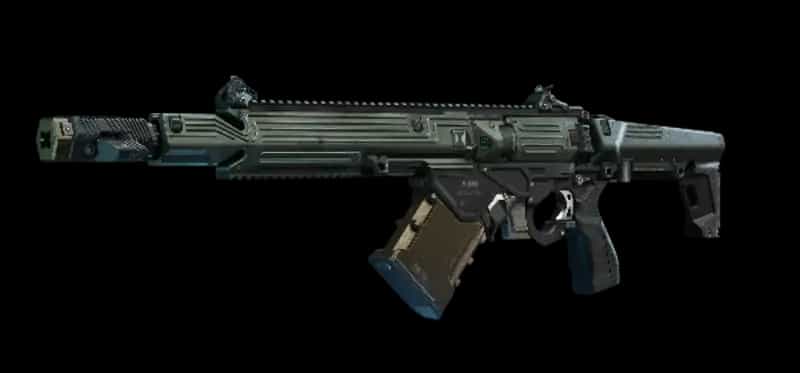
The EGRT-17 is at its most convincing when it is treated as a disciplined primary weapon rather than something built purely around speed. Its strength comes from giving you a reliable firing platform for the fights that dominate a typical Warzone match: enemies moving between cover, rooftop challenges, rotations across exposed ground, and sustained pressure on squads sitting 30 to 60 meters away. With the right attachments, the weapon feels far easier to keep settled during longer bursts without turning it into an awkward, excessively heavy setup.
This particular build leans heavily toward recoil consistency, magazine capacity, suppression, and sustained accuracy. It suits players who prefer to establish position before opening fire and who would rather maintain pressure on a target than constantly break aim between short bursts. The EGRT-17 can still handle closer encounters, but the loadout makes much more sense as a dependable Battle Royale primary or a medium-range option in Resurgence, ideally paired with something faster for cramped interiors.
Best Loadout
The goal with this EGRT-17 configuration is straightforward: reduce the amount of correction required once you start firing and give yourself enough ammunition to remain involved when a fight develops into something larger than a simple one-versus-one.
| Attachment Slot | Selected Attachment |
|---|---|
| Barrel | 16.5" Bowen Resistor Barrel |
| Stock | Frigate Control Stock |
| Muzzle | Monolithic Suppressor |
| Magazine | Fuel Cell-X3 Mag |
| Fire Mods | Buffer Spring |
Attachment Analysis
The 16.5" Bowen Resistor Barrel provides the foundation for the build. Rather than chasing an ultra-mobile configuration, this setup wants the EGRT-17 to remain composed while tracking opponents through medium-range engagements. Combined with the Frigate Control Stock, the rifle has a much more deliberate character: you are building around stability and predictable weapon movement, which becomes especially valuable when a target is strafing beside cover instead of standing still long enough for an easy elimination.
The Monolithic Suppressor fits that philosophy particularly well. Staying suppressed is valuable when you are firing repeatedly from a strong position because it reduces the amount of information you immediately hand to nearby opponents. That matters when shooting from rooftops, ridgelines, windows, or the edge of a rotation where revealing your position can quickly turn one favorable engagement into pressure from several directions. It also complements a build that is designed to take more calculated fights rather than sprint directly into every available gunfight.
Where the loadout becomes particularly useful in squad modes is the combination of the Fuel Cell-X3 Mag and Buffer Spring. Extra ammunition gives you more freedom to keep shooting after the first armor break, while the Buffer Spring supports the controlled nature of the setup. Instead of having a rifle that feels excellent for the opening few bullets and progressively harder to manage afterward, the idea is to maintain a usable firing pattern through the portion of the magazine that actually matters when two or three enemies appear in quick succession.
There is a trade-off. A configuration focused this heavily on control and sustained fire is never going to feel as immediate as an EGRT-17 stripped down for aggressive ADS and movement. That is acceptable here. The build is not trying to replace an SMG inside stairwells or tiny rooms. Its value comes from making medium-range shots easier to repeat, giving you enough ammunition to pressure squads, and allowing the rifle to remain useful when an engagement lasts longer than expected.
Gameplay Tips
One situation where I would immediately want this version of the EGRT-17 is during a messy rotation. Imagine a player leaving a building and crossing toward another piece of cover 40 meters away. I would rather keep the reticle moving with them and maintain a controlled burst than dump the entire magazine the second they appear. The build rewards that small amount of patience. Once the recoil settles into something predictable, tracking the second half of a moving target's route becomes much easier than constantly restarting your aim.
I also wouldn't rush to chase every cracked enemy. If someone disappears behind a wall after losing their plates, I would first look at the rest of their squad and the space I would have to cross. The Fuel Cell-X3 Mag gives you something more valuable than simply extra bullets: it gives you the option to keep pressure on the position. You can punish a teammate trying to peek, shoot someone rotating behind them, or prevent the first player from comfortably re-challenging while your squad closes the distance.
From a rooftop, I would use the EGRT-17 differently again. There is no need to expose your entire character model and stand there firing until somebody returns a sniper shot. I prefer a quick pre-aim from cover, several accurate shots, then a small reposition before challenging again. The suppressor helps the build make sense for that kind of patient pressure, especially when other teams are already fighting nearby and you do not want every player in the area immediately focusing on your angle.
Buildings are where I become more cautious. If an SMG player suddenly appears five meters away while sliding through a doorway, this is not the gun I want to depend on unless it is already raised. I wouldn't try to force the EGRT-17 into that role just because it has a large magazine. When entering a tight staircase or pushing somebody hiding in a bedroom, switching to a close-range secondary before crossing the doorway is usually the cleaner decision.
Resurgence encourages more aggression, but I would still avoid turning the build into a permanent sprint-and-challenge weapon. It works better when supporting a teammate's push: let the first player create movement, then use the EGRT-17 to catch defenders shifting between doors, windows, and head glitches. In Battle Royale, I would be even more selective and protect the strong sightline instead of giving it up for one damaged opponent.
One habit matters more than it sounds: reload before the next squad arrives, not after you hear them. A larger magazine can tempt you into thinking there are always enough rounds left. Twenty bullets may feel comfortable until two armored players appear together. With this build, I would rather reset behind cover with a fresh magazine and then return to the angle than discover halfway through the next spray that the previous fight quietly emptied most of the Fuel Cell-X3.
Conclusion
This EGRT-17 Warzone loadout turns the weapon into a controlled, sustained-fire primary built for the ranges where positioning and tracking matter more than raw movement speed. The Bowen Resistor Barrel, Frigate Control Stock, Monolithic Suppressor, Fuel Cell-X3 Mag, and Buffer Spring all push the rifle toward the same purpose: keeping your shots manageable while giving you enough ammunition to stay dangerous throughout extended squad fights.
It is a particularly appealing setup for players who prefer holding useful angles, punishing rotations, and applying pressure without immediately abandoning cover. Pair it with a responsive close-range weapon, resist the temptation to chase every armor break, and the EGRT-17 becomes a much more dependable tool for controlling how a fight develops.
PERKS & EQUIPMENT
- Drill Instructor
- Momentum
- Tempered
Equipment
- LethalSemtex
- TacticalHeartbeat Sensor