EGRT-17 - Fast TTK - Midrange Loadout
MODS
GUIDE
Best EGRT-17 Warzone Loadout for a Steadier, More Versatile Build
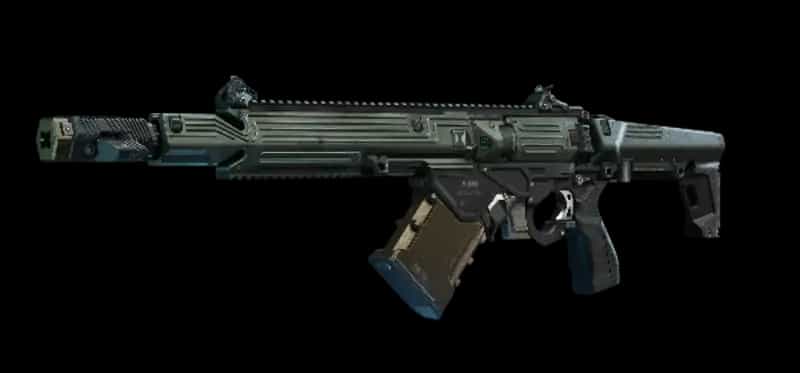
The EGRT-17 is a compelling Warzone option for players who want dependable automatic fire without turning their primary weapon into a slow, overly specialized long-range platform. Its appeal lies in adaptability: it can pressure enemies across open spaces, support squad pushes and remain manageable when a fight becomes more chaotic than expected. It is particularly well suited to players who prefer measured aggression—holding useful angles, moving with their team and punishing opponents who expose themselves during rotations.
This setup builds on that flexibility by improving the EGRT-17’s consistency, visibility and ammunition capacity. The weapon becomes easier to control during sustained bursts, while the suppressor helps you avoid advertising every engagement to nearby squads. It is not designed to replace an SMG inside cramped rooms, nor should it be treated like a precision rifle at extreme distance. Instead, it occupies the practical middle ground where many Warzone fights are actually decided.
Best Loadout
The following configuration gives the EGRT-17 a balanced mixture of range, recoil control, clean targeting and sustained-fire potential:
| Attachment Slot | Selected Attachment |
|---|---|
| Barrel | 16.5" Bowen Resistor Barrel |
| Muzzle | Monolithic Suppressor |
| Optic | Fang HoverPoint ELO |
| Magazine | Fuel Cell-X3 Mag |
| Underbarrel | VAS Convergence Foregrip |
Attachment Analysis
The 16.5" Bowen Resistor Barrel and Monolithic Suppressor form the foundation of the build. Together, they push the EGRT-17 toward more reliable mid-range performance, helping its shots feel more effective when enemies are crossing roads, moving between rooftops or retreating behind distant cover. The suppressor also keeps firing discreet, which is especially valuable in Battle Royale. Winning one gunfight matters less if several nearby teams can immediately identify your position from the minimap and collapse on it.
Sustained accuracy is supported by the VAS Convergence Foregrip. Rather than building the weapon around raw speed, this attachment helps settle its movement while firing and makes longer bursts easier to guide. That control complements the improved effective reach of the barrel and muzzle: additional range means little if recoil repeatedly drags the reticle away from the target. The combined result is a weapon that encourages deliberate tracking rather than frantic correction after the opening shots.
The Fang HoverPoint ELO completes the accuracy package with an uncluttered sight picture. It is especially useful when following operators through visually busy areas where iron sights can obscure shoulders, heads or changes in direction. Meanwhile, the Fuel Cell-X3 Mag gives the build enough ammunition to maintain pressure, finish downed opponents and challenge another enemy without treating every short burst as a reason to reload. A larger magazine can affect handling, but that compromise fits the intended role: the EGRT-17 remains a controlled primary weapon rather than a lightweight close-quarters sprinter.
What makes the five attachments effective as a group is their shared purpose. They do not pull the gun in conflicting directions. The barrel, suppressor and foregrip stabilize its core combat performance; the optic makes that accuracy easier to exploit; and the magazine keeps the weapon relevant when several targets enter the fight. Mobility and immediate sprint-to-fire responsiveness are not the priorities here, so positioning must compensate whenever the engagement moves indoors.
Gameplay Tips
I’d keep this EGRT-17 ready before I reach the next piece of cover rather than sprinting all the way into it. Imagine rotating across an exposed street while an enemy watches from a second-floor window: the build gives you enough control to return meaningful fire, but it cannot save a late reaction caused by having the weapon lowered. A brief pre-aim toward the likely window or rooftop edge is often worth sacrificing a little movement speed.
The enlarged magazine changes how confidently I’d handle squad pressure. If one opponent crosses open ground, I would not automatically reload after securing the down. Holding the sightline for another second can catch the teammate who inevitably peeks to trade or attempt a revive. That remaining ammunition is often more valuable than starting an unnecessary reload animation while the enemy team is still active.
Chasing a cracked player requires more restraint. When that opponent disappears into a small building, I wouldn’t follow blindly with the EGRT-17 raised as though it were an SMG. The smarter choice is to cut off an exit, use equipment or let a close-range secondary lead the entry. This build feels far more convincing when you force the enemy back into your line of fire than when you accept a sudden hip-fire contest beside a staircase.
Moving targets are where the clean optic and controlled recoil earn their place. Against someone parachuting toward a rooftop or running between rocks, I’d lead smoothly and maintain a disciplined burst instead of constantly releasing the trigger. If the target reaches hard cover, reposition rather than emptying the rest of the magazine into the corner. The suppressor gives you some freedom to change angles without every nearby squad instantly understanding where the shots originated.
Resurgence allows a slightly more assertive approach because fights restart quickly and enemies are often concentrated around adjacent buildings. I’d use the EGRT-17 to cover a teammate’s push, deny rooftop movement and damage opponents before entering the structure with a secondary. In Battle Royale, I would be less eager to expose the position for a speculative elimination. Controlled shots against a rotating squad can create an opening, but firing continuously from the same window is an invitation for a sniper or third party.
One habit matters more than squeezing a little extra range from the build: stop challenging once the target becomes too small to track cleanly. The EGRT-17 may remain stable, but stability can tempt you into spending ammunition on low-percentage shots. Sometimes the better decision is to remember the enemy’s direction, rotate early and meet them at the next piece of cover with a much easier angle.
Conclusion
This EGRT-17 Warzone loadout turns the weapon into a composed, squad-friendly primary that can control lanes, track moving targets and survive extended engagements without constant reload interruptions. The Monolithic Suppressor adds discretion, while the Bowen barrel and VAS foregrip make its fire easier to manage across the ranges that matter most.
Players who enjoy intelligent positioning and controlled aggression should find plenty of value here. Pair the build with a fast close-range secondary, resist the urge to force indoor fights and let the EGRT-17 dictate engagements from a few steps outside the chaos.
PERKS & EQUIPMENT
- Drill Instructor
- Sprinter
- Adaptive
Equipment
- LethalSemtex
- TacticalStim Shot