EGRT-17 - Sniper Support Warzone by WhosImmortal
MODS
GUIDE
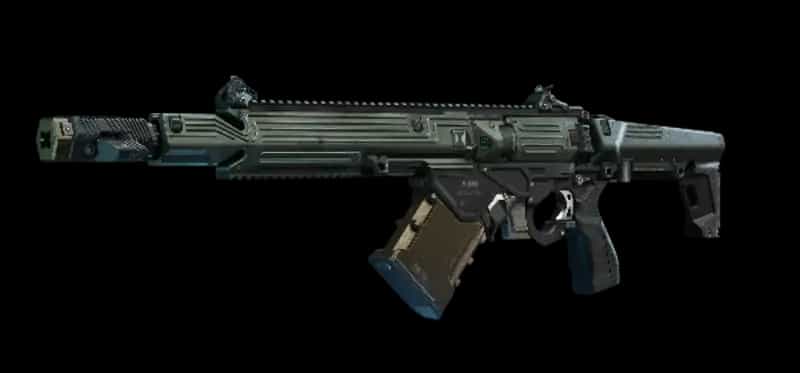
Best EGRT-17 Loadout for Warzone: A Stable, Suppressed Build for Mid-Range Fights
The EGRT-17 becomes a much more convincing Warzone option when it is built around consistency rather than raw aggression. With the right combination of recoil control, sustained ammunition capacity, and movement support, it can settle into the role of a dependable primary weapon for players who prefer controlled engagements instead of gambling on every gunfight. This setup leans heavily into that identity. It keeps the weapon suppressed, reinforces its stability during longer bursts, and adds enough mobility to prevent the gun from feeling cumbersome when rotations become hectic.
What makes this version of the EGRT-17 appealing is the balance between reliability and flexibility. It is not trying to become a point-blank SMG, nor is it designed as a stationary long-range beam. Instead, it feels suited to the messy middle ground that defines so many Warzone encounters: firing from one rooftop to another, catching players moving between cover, defending a building entrance, or supporting teammates while an enemy squad tries to reposition. If your preferred style revolves around taking sensible angles and staying ready for a second opponent immediately after the first, this configuration makes a lot of sense.
Best Loadout
The goal of this EGRT-17 setup is to improve how manageable the weapon feels during sustained fire while preserving enough movement speed for aggressive repositioning. The suppressor also gives the build a less conspicuous profile, which becomes especially useful when fights start involving multiple teams.
| Attachment Slot | Selected Attachment |
|---|---|
| Barrel | 17.9" EAM Planner Barrel |
| Muzzle | EAM Ibis Suppressor |
| Magazine | Fuel Cell-X3 Mag |
| Underbarrel | EAM Steady-90 Grip |
| Stock | Eider Sidestep Stock |
Attachment Analysis
The 17.9" EAM Planner Barrel provides the foundation for the build by pushing the EGRT-17 toward stronger performance once the fight stretches beyond immediate close quarters. A longer barrel configuration naturally fits a weapon intended to stay composed through medium-range engagements, and it pairs particularly well with the EAM Ibis Suppressor. Together, those choices emphasize a controlled firing profile while giving you the advantage of staying suppressed when you begin shooting at enemies who have not yet identified your exact position.
Recoil management receives another substantial boost from the EAM Steady-90 Grip. That matters because the value of a Warzone primary is not determined only by its theoretical damage; the weapon also has to keep enough bullets on target when an opponent starts strafing, diving behind cover, or changing elevation. With the grip helping settle the gun, the EGRT-17 becomes more forgiving during extended bursts. You can make smaller corrections instead of constantly fighting the sight picture, which is particularly useful when tracking enemies across rooftops, roads, or open hillsides.
The Fuel Cell-X3 Mag complements that sustained-fire approach. Larger ammunition capacity is valuable whenever the first elimination turns into a second engagement before you have time to reload. In squad modes, that happens constantly. One enemy crosses your angle, another swings from a different piece of cover, and suddenly a small magazine becomes a serious limitation. The Fuel Cell-X3 gives the setup more breathing room for those situations and reduces the pressure to reload immediately after every exchange.
Mobility is where the Eider Sidestep Stock becomes important. Several of the other attachments push the EGRT-17 toward stability and sustained combat, so the stock helps prevent the weapon from becoming overly static. That added freedom when moving and adjusting position makes the complete build feel more adaptable. You still want to fight from controlled angles, but you are not forced to remain planted in one spot to get good results.
Gameplay Tips
I would treat this EGRT-17 as a weapon for controlling the space between you and another squad rather than rushing directly into them. If I spot somebody sprinting across an exposed street or moving between two buildings, I want the weapon already raised and ready to track. The stability-oriented attachments encourage longer bursts, but I would still avoid simply holding the trigger indefinitely. Small corrections between bursts usually make it easier to stay centered when the target suddenly changes direction.
Building fights require a little more discipline. Suppose your squad cracks an opponent upstairs and immediately calls for a push. I would not automatically be the first player through the doorway with this setup. I would rather hold the window, staircase, or exit while a faster secondary weapon leads the entry. The EGRT-17 can punish somebody trying to escape or challenge from a predictable angle, but forcing it into frantic point-blank movement wastes what the build does well.
There is also a useful advantage to the suppressor when fights begin attracting third parties. If I am firing from a rooftop or ridge, I would resist the temptation to remain in exactly the same position after securing a down. Move a few metres, change the angle, and make the enemy search for the next burst. Suppressed fire does not make positioning mistakes disappear, but it gives you more freedom to create uncertainty around where the pressure is coming from.
The larger magazine changes how confidently I would handle squad pressure. If two enemies cross one after another, I am much more comfortable staying on the trigger instead of abandoning the angle for a premature reload. That does not mean ammunition should be wasted, though. When a player disappears behind solid cover, I would stop firing rather than dumping rounds into a wall and discovering ten seconds later that another squad is pushing.
Resurgence naturally encourages faster decisions, so I would use the EGRT-17 to lock down short rotations and punish players parachuting or sprinting back toward their teammates. In Battle Royale, I would be more patient. Holding the edge of a zone, watching a road from elevated cover, or catching squads forced to rotate can produce cleaner fights than chasing every cracked opponent into an unfamiliar building.
One habit I would keep with this build is simple: after winning an exchange, reload only when the situation actually allows it. A generous magazine often means you still have enough ammunition for the teammate who swings five seconds later, and surviving that second challenge is usually more valuable than entering it with a perfectly full mag.
Conclusion
This EGRT-17 configuration gives Warzone players a composed primary weapon built around recoil control, sustained fire, discreet positioning, and practical mobility. The 17.9" EAM Planner Barrel and EAM Steady-90 Grip help keep engagements manageable, while the EAM Ibis Suppressor supports quieter positioning and the Fuel Cell-X3 Mag provides the capacity needed for multi-enemy fights. The Eider Sidestep Stock rounds things out by keeping the weapon mobile enough to adapt when the fight shifts.
It is a particularly attractive setup for players who prefer creating favorable engagements instead of forcing chaotic ones. Give the build space to work, choose your angles carefully, and the EGRT-17 can become the kind of primary that stays useful from the opening rotation all the way to the final circles.
PERKS & EQUIPMENT
- Drill Instructor
- Sprinter
- Adaptive
Equipment
- LethalCombat Axe
- TacticalStim Shot