EGRT-17 - Top Loadout for Long Range
MODS
GUIDE
Best EGRT-17 Loadout for Warzone: A Suppressed, Stable Build for Mid-Range Fights
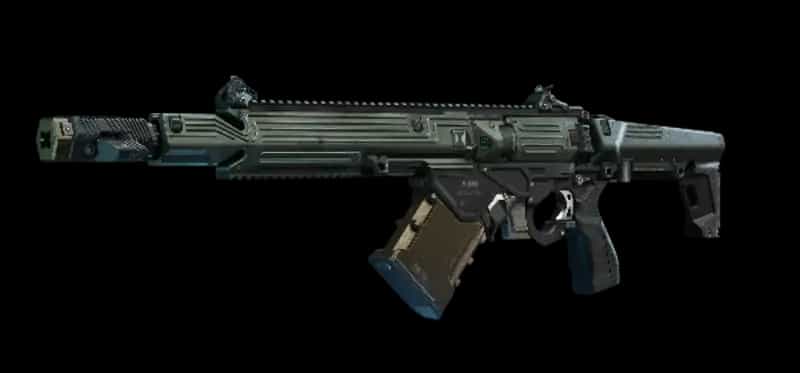
The EGRT-17 becomes much more convincing in Warzone when it is built around consistency rather than trying to turn it into an ultra-fast close-quarters weapon. This setup focuses on keeping the rifle composed during sustained fire, staying off the radar with a suppressor, and giving you a sight picture that works well when fights stretch beyond typical SMG distance. It is the sort of configuration I would favor for players who like to hold useful angles, punish rotations, and support aggressive teammates without constantly fighting their own recoil.
What stands out about this version of the EGRT-17 is its balance. The 16.5" Bowen Resistor Barrel provides the foundation, while the Monolithic Suppressor, Buffer Spring, and Fuel Cell-X3 Mag push the weapon toward a controlled, forgiving style. Add the Fang HoverPoint ELO, and the rifle is clearly geared toward practical Warzone gunfights rather than chasing a single extreme stat. You still have enough responsiveness to move with your squad, but the real value comes when you can establish your position before pulling the trigger.
Best Loadout
This EGRT-17 configuration prioritizes sustained accuracy, clean target acquisition, stealth, and enough ammunition to survive fights involving more than one opponent.
| Attachment Slot | Selected Attachment |
|---|---|
| Barrel | 16.5" Bowen Resistor Barrel |
| Muzzle | Monolithic Suppressor |
| Optic | Fang HoverPoint ELO |
| Fire Mods | Buffer Spring |
| Magazine | Fuel Cell-X3 Mag |
Attachment Analysis
The 16.5" Bowen Resistor Barrel and Monolithic Suppressor give the build a strong base for engagements where maintaining pressure matters more than snapping instantly onto someone two meters away. The longer barrel naturally fits the EGRT-17's role as a controlled primary weapon, while the suppressor lets you fire without making your position unnecessarily obvious. In Warzone, that matters during rotations and third-party situations because eliminating one player does not automatically need to advertise your exact firing lane to every nearby squad.
The Buffer Spring complements that philosophy by pushing the rifle further toward predictable handling. Rather than building around a highly mobile setup that can become difficult to manage once an opponent starts strafing at medium distance, this configuration favors a smoother firing rhythm. That becomes especially useful when tracking enemies crossing streets, moving between pieces of cover, or trying to escape downhill after being cracked. A weapon that stays composed through the second half of the magazine is often more valuable than one that feels brilliant for the opening five bullets and then becomes difficult to correct.
The Fang HoverPoint ELO also makes sense here because this is not a build that needs excessive magnification. A clear ELO-style sight keeps the screen relatively open and makes it easier to follow lateral movement without creating the tunnel vision that stronger optics can bring. The Fuel Cell-X3 Mag completes the setup by giving you more breathing room during extended engagements. That extra ammunition is particularly useful when a fight turns from a clean one-on-one into a messy squad exchange where finishing a downed opponent, challenging a second player, and suppressing a revive can all happen before you have a comfortable opportunity to reload.
There is an important trade-off, though. Five attachments dedicated mainly to stability, sustained fire, visibility, and ammunition mean this EGRT-17 is not designed around maximum movement speed or lightning-fast close-range handling. I would treat that as intentional rather than a flaw. Warzone rewards weapons with defined roles, and this setup is far more convincing when you let it control the space between close-quarters SMG range and the distances where a dedicated sniper or heavily magnified rifle starts becoming preferable.
Gameplay Tips
One situation where I would want this EGRT-17 is when an enemy squad is rotating across exposed terrain and I already have cover. Instead of immediately dumping rounds at the first visible player, I would wait for a clean angle and try to catch someone once they are committed to the crossing. The combination of the ELO optic and controlled setup should make tracking far more comfortable there. Once the first enemy is cracked, keeping pressure on the same lane can be more valuable than chasing the knock into a bad position.
Inside buildings, my approach changes considerably. I would not enter every doorway expecting this configuration to beat a dedicated SMG in a pure reaction-speed contest. If I hear someone sprinting toward a staircase or pushing through a corridor, I would rather pre-aim the likely entry point and force them to run into the EGRT-17's prepared sightline. If the enemy is already sliding around me at point-blank range, that is usually the moment to switch to the secondary instead of stubbornly forcing the rifle to solve the wrong problem.
Rooftops suit the build nicely, but I would avoid sitting on the highest possible point with no escape route. A better position is one where I can expose only part of the character model, shoot several controlled bursts, then move to a different angle before returning fire arrives. The suppressor is particularly useful for that kind of harassment. You may still be located eventually, but making another squad work harder to identify the source buys valuable seconds.
The larger magazine also changes how aggressively I would manage squad pressure. In Resurgence, there are plenty of moments where two opponents appear within seconds of each other, and prematurely reloading after every kill can get you punished. I would check the remaining ammunition before automatically starting the reload animation. If there is enough left to down another player, maintaining the angle may be safer than giving an enemy a free push.
Battle Royale encourages a slightly more patient version of the same idea. During late rotations, I would use this EGRT-17 to cover teammates crossing dangerous ground or to punish players moving out of gas rather than constantly hunting for extremely long shots. If someone escapes after being cracked behind distant cover, I would resist chasing unless the terrain clearly favors it. Giving up a strong ridge or building just to finish one wounded opponent is exactly how a controlled mid-range weapon gets dragged into an unnecessary close-range fight.
One habit worth developing with this setup is repositioning after prolonged fire. The Monolithic Suppressor helps reduce the information you give away, but repeated shooting from the same window or rooftop edge will still attract attention. Fire, create pressure, then shift a few meters before the enemy squad settles on your location. That small movement often matters more than squeezing another speculative burst into cover.
Conclusion
The EGRT-17 with the 16.5" Bowen Resistor Barrel, Monolithic Suppressor, Fang HoverPoint ELO, Buffer Spring, and Fuel Cell-X3 Mag is a build for players who value composure over unnecessary speed. It gives the weapon a clear identity as a dependable mid-range primary capable of applying sustained pressure without demanding constant recoil corrections or frequent reloads.
Pair it with a close-range secondary and resist the temptation to force every engagement. When you control the angle, keep enemies moving through predictable lanes, and reposition before return fire becomes organized, this EGRT-17 setup has exactly the kind of steady, practical character that can make a Warzone loadout feel reliable from the first rotation to the final circles.
PERKS & EQUIPMENT
- Drill Instructor
- Sprinter
- Adaptive
Equipment
- LethalCombat Axe
- TacticalStim Shot