MK35 ISR - Loadout DiazBiffle
MODS
GUIDE
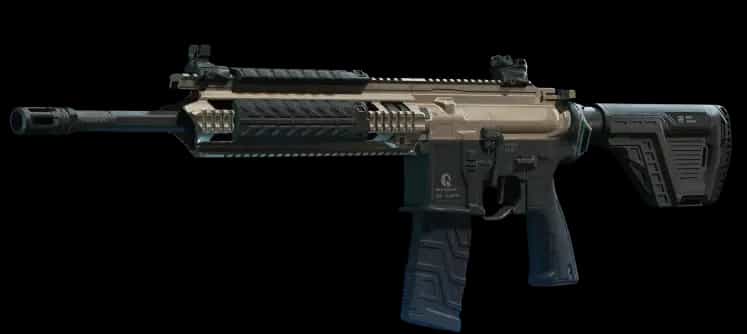
Best MK35 ISR Loadout in Warzone for a Reliable Mid-to-Long Range Setup
The MK35 ISR becomes much more convincing in Warzone when it is built around sustained accuracy rather than aggressive mobility. With the right attachments, it settles into the role of a dependable primary weapon that can punish exposed enemies, pressure squads from strong positions, and remain controllable through extended bursts. This setup leans heavily into that identity. The combination of recoil support, suppression, a large magazine, and improved ballistic performance makes it particularly attractive for players who prefer methodical fights instead of constantly forcing close-range engagements.
What stands out about this version of the MK35 ISR is its ability to keep delivering pressure without demanding perfect conditions. You do not need to play from extreme sniper distances, nor do you need to chase every cracked opponent into a staircase. It works best when you can create a little separation, read the next rotation, and make opponents move through your sightline. The build is heavier than something designed for frantic room clearing, but the trade is a weapon that feels much more composed once the shooting starts.
Best Loadout
This configuration focuses on recoil control, sustained fire, stealth, and dependable damage through cover, giving the MK35 ISR a strong identity as a positioning-focused Warzone primary.
| Attachment Slot | Selected Attachment |
|---|---|
| Barrel | 16.5" Greaves Bellum Barrel |
| Muzzle | Monolithic Suppressor |
| Underbarrel | VAS Convergence Foregrip |
| Magazine | Bowen Siren Drum |
| Fire Mods | 5.56 NATO FMJ |
Attachment Analysis
The 16.5" Greaves Bellum Barrel and Monolithic Suppressor establish the foundation of the setup. Rather than trying to turn the MK35 ISR into a lightweight assault rifle, the build reinforces the qualities that matter when you are firing across streets, courtyards, rooftops, or open sections of the map. The suppressor keeps your presence less obvious during longer engagements, while the barrel supports the weapon's effectiveness once opponents are far enough away that recoil and ballistic consistency start becoming more noticeable.
The VAS Convergence Foregrip is particularly valuable because this build expects you to stay on the trigger. A large magazine only becomes truly useful if the weapon remains predictable while you work through it, and the foregrip helps keep successive shots from drifting excessively. That matters against players running laterally between pieces of cover, where a weapon that jumps away from the target can waste half a magazine before the enemy reaches safety.
The Bowen Siren Drum changes how confidently the MK35 ISR can be used against squads. Instead of treating every opponent as a separate engagement followed by a reload, you have more freedom to down one player, immediately transfer to another, and continue applying pressure. There is naturally a mobility cost to carrying a drum-style magazine, but that trade makes sense here because the rest of the build is already committed to controlled, deliberate gunfights.
Finally, 5.56 NATO FMJ adds another practical layer to the setup. Warzone fights rarely happen with both players standing cleanly in the open. Enemies duck behind doors, window frames, vehicles, railings, and thin pieces of cover. FMJ rewards players who keep tracking those movements instead of immediately giving up the angle. Combined with the large magazine and manageable recoil, it gives the MK35 ISR a persistent quality that can make defensive positions surprisingly uncomfortable for the opposing squad.
Gameplay Tips
One thing I would resist with this setup is the temptation to chase every armor crack. If I tag someone running into a building, I would rather hold the exit, watch the next window, or shift to an angle that catches the revive than sprint through the same doorway with a heavier weapon. The MK35 ISR is much more dangerous when the opponent has to move into your line of fire than when you are reacting to someone sliding around a corner three meters away.
A good example is a squad rotating across open ground toward a cluster of buildings. I would start firing before they reach hard cover and use the Siren Drum to keep the pressure continuous. Even if the first target escapes with low health, there is often more value in immediately moving the reticle onto the second player than wasting time trying to finish someone who has already disappeared behind a wall. Long magazines are strongest when they let you control the entire movement of a squad, not just inflate the number of bullets available for one target.
I also like the logic of pre-aiming with this configuration. If footsteps suggest somebody is about to appear from a doorway or climb onto a rooftop, I would rather have the gun ready before they become visible than rely on a last-second ADS race. The build gives away some snap and mobility in exchange for stability, so positioning should compensate for that. Holding head-height angles and forcing opponents to expose themselves turns the weapon's weight into much less of a problem.
There are situations where I would simply switch guns. An SMG player suddenly appearing inside a cramped room is not the fight I want to solve with this MK35 ISR unless I already have the advantage. If there is space to back through another doorway, drop off a roof, or create ten extra meters of separation, I would take it. Trying to prove that the weapon can win every type of engagement usually throws away the exact advantages the build was designed to provide.
The drum also changes how I would handle Resurgence compared with slower Battle Royale rotations. In chaotic areas where players keep reappearing from adjacent buildings, having enough ammunition to deal with multiple targets before reloading is a major comfort. In Battle Royale, I would use that same capacity more patiently, especially during late rotations when one extended burst can force a team away from a dangerous crossing. Either way, I would avoid reloading automatically after every kill. With this setup, having twenty or thirty rounds left can still be enough to punish the second player who assumes you are stuck in a reload animation.
One small habit matters more than it sounds: after a prolonged burst, I would move. A suppressor helps, but repeated fire still tells attentive enemies roughly where the pressure is coming from. Shoot from one side of a rooftop, break line of sight, then appear from another angle. The MK35 ISR does not need constant rushing to stay threatening; it needs enough positional variety that opponents cannot comfortably predict where the next stream of fire will begin.
Conclusion
This MK35 ISR Warzone loadout is built for players who want to dominate space rather than chase speed. The Greaves Bellum Barrel, Monolithic Suppressor, VAS Convergence Foregrip, Bowen Siren Drum, and 5.56 NATO FMJ combine to create a stable, persistent weapon that can keep enemies pinned down and punish careless rotations.
It is not the setup I would choose for nonstop indoor pushes, but that is not its purpose. Give the MK35 ISR a strong firing lane, enough distance to work with, and a little patience between engagements, and the build becomes far more oppressive than its heavier handling initially suggests. If your Warzone matches are won through angles, timing, and sustained squad pressure, this version deserves a place in your next loadout.
PERKS & EQUIPMENT
- Field Medic
- Sprinter
- Tempered
Equipment
- LethalFrag
- TacticalStim Shot