MXR-17 - Loadout tested by Aydan
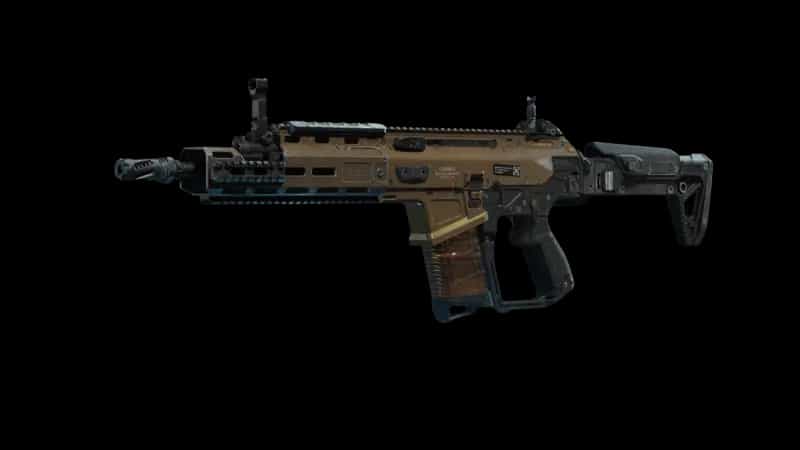
MODS
GUIDE
Best MXR-17 Warzone Loadout for Accurate Mid-to-Long-Range Fights
The MXR-17 becomes a far more convincing Warzone primary when it is built around control, clean sightlines, and consistent damage through cover. It is not the sort of weapon I would configure for frantic room-to-room aggression; its strengths become much clearer once fights stretch beyond immediate SMG distance. With the right attachments, the MXR-17 rewards disciplined tracking and players who prefer to dictate engagements from strong positions rather than sprint directly into every opponent they crack.
This setup leans heavily into that identity. The 17" Greaves Scourge Barrel, Monolithic Suppressor, and VAS Convergence Foregrip create a stable platform for sustained fire, while the Fang HoverPoint ELO keeps the sight picture uncluttered when tracking targets across rooftops or open terrain. Adding 7.62 NATO FMJ rounds gives the build another useful layer when enemies begin using thin cover to interrupt your shots. The result is a rifle designed around repeatable accuracy rather than raw mobility.
Best Loadout
The idea behind this MXR-17 configuration is straightforward: preserve enough handling to remain comfortable while improving the qualities that matter most once targets start appearing at medium and longer distances.
| Attachment Slot | Selected Attachment |
|---|---|
| Barrel | 17" Greaves Scourge Barrel |
| Muzzle | Monolithic Suppressor |
| Optic | Fang HoverPoint ELO |
| Underbarrel | VAS Convergence Foregrip |
| Fire Mods | 7.62 NATO FMJ |
Attachment Analysis
The 17" Greaves Scourge Barrel forms the backbone of the build because a rifle like the MXR-17 benefits enormously from predictable behavior during extended bursts. Combined with the VAS Convergence Foregrip, it gives the weapon a more settled feeling once you begin correcting recoil rather than simply fighting against it. That matters in Warzone, where landing the opening few bullets is only part of the job. Fully armored opponents often require you to remain accurate long enough to finish the engagement, particularly when they are moving laterally between pieces of cover.
The Monolithic Suppressor complements that approach by making the MXR-17 better suited to controlled rotations and positional fights. Staying suppressed is especially valuable when shooting from a rooftop, hillside, or upper floor where immediately revealing your position can invite pressure from several directions. The setup does sacrifice some of the snappy character you could chase with a mobility-focused configuration, but that is a sensible exchange here. This version of the MXR-17 is supposed to win through stability and intelligent positioning, not through exceptionally fast ADS transitions.
Using the Fang HoverPoint ELO instead of a heavier magnified optic keeps the rifle surprisingly flexible. The cleaner, lower-magnification view is useful when opponents change direction suddenly or when a medium-range gunfight collapses into something much closer. It also avoids making the weapon feel overly specialized. Meanwhile, 7.62 NATO FMJ fits the tactical purpose of the build nicely. Enemies frequently duck behind doors, railings, vehicle edges, window frames, and other light protection after taking armor damage; ammunition that improves performance through penetrable surfaces gives you more opportunities to maintain pressure rather than automatically surrendering the angle.
Taken together, these attachments create an MXR-17 that values recoil consistency, visibility, ranged effectiveness, and sustained pressure. ADS speed and aggressive movement are not the priorities, so pairing it with a responsive close-range secondary is a much smarter way to cover its weaknesses than attempting to force the rifle into a role it was not built for.
Gameplay Tips
One situation where I would be especially comfortable with this MXR-17 is catching someone rotating across exposed ground. I would rather hold a clean angle and begin firing once I know I can maintain the track than rush the first available shot. The Fang HoverPoint ELO helps here because the target remains easy to follow without excessive visual obstruction, and the steadier recoil profile gives you time to make small corrections if they start slide-cancelling or changing direction.
A cracked opponent disappearing behind a window frame or thin wall does not always mean the fight is finished. With FMJ equipped, I would be more willing to send a few calculated follow-up rounds through likely escape lines. I would not empty half my ammunition blindly into concrete, but if someone ducks behind a penetrable surface immediately after losing plates, keeping pressure on that position can deny an easy reset.
Buildings require more restraint. If I hear an SMG player charging up a staircase, my preference is to pre-aim the doorway or switch to my secondary rather than challenge the push while trying to snap the MXR-17 onto target. The rifle can survive an unexpected close encounter, especially with the relatively open ELO optic, but I would not deliberately turn it into a hallway weapon. If a fight becomes messy, creating five or ten extra meters of separation is often more valuable than forcing another ADS duel.
The same patience applies when holding elevated positions. From a rooftop, I like the idea of taking short firing windows, breaking line of sight, then appearing from a different section of cover. A suppressed weapon lets you be slightly less obvious to every squad in the area, but repeatedly standing in exactly the same place after firing is still an invitation to get punished. Against opponents returning accurate fire, I would move before worrying about squeezing out another few bullets.
Resurgence encourages more aggression, yet I still would not chase every cracked enemy into a room. Let the MXR-17 create the advantage first. Damage someone while they cross a street, force them behind cover, then decide whether the push actually favors you. In Battle Royale, I would play even more deliberately and use the weapon to control rotations around the later circles, where players have fewer safe routes and predictable movement becomes easier to punish.
There is also a small habit worth developing with this build: stop shooting when the angle is gone. Stable rifles tempt you to keep holding the trigger because the recoil feels manageable. Sometimes the better decision is to release ADS, reposition two steps, and reacquire the opponent from a cleaner line rather than spending ammunition on the corner they disappeared behind.
Conclusion
This MXR-17 configuration is built for Warzone players who want their primary weapon to feel composed rather than hyper-aggressive. The combination of the Greaves Scourge Barrel, Monolithic Suppressor, VAS Convergence Foregrip, Fang HoverPoint ELO, and 7.62 NATO FMJ gives the rifle a strong identity as a controlled mid-to-long-range option with useful pressure through light cover.
It will not replace an SMG when someone crashes through a doorway, and it does not need to. Give the MXR-17 space, choose angles before committing to fights, and it becomes a much more dangerous weapon. For players who prefer winning engagements through positioning and consistent shots instead of relying on frantic movement, this build is well worth putting into a Warzone class.
PERKS & EQUIPMENT
- Mountaineer
- Sprinter
- Tempered
Equipment
- LethalMolotov
- TacticalStim Shot