MXR-17 - Loadout meta JKucci
MODS
GUIDE
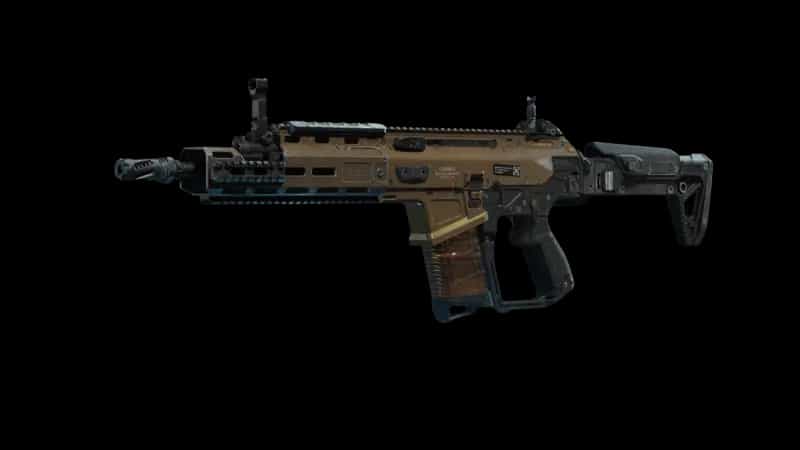
Best MXR-17 Loadout in Warzone for Controlled Mid-to-Long-Range Fights
The MXR-17 is the kind of Warzone rifle that rewards discipline more than aggression. It has enough punch to punish players moving between cover, but its real value comes from how confidently it can hold a sightline once recoil and stability are brought under control. This setup leans heavily into that identity. Rather than chasing maximum mobility or turning the weapon into a close-range hybrid, the build concentrates on making repeated shots easier to place at medium and extended distances. It suits players who prefer rooftops, elevated terrain, deliberate rotations, and fights where positioning gives them time to keep the weapon settled on target.
Best Loadout
This MXR-17 configuration uses the 17" Greaves Scourge Barrel, Greaves TI-762, and VAS Convergence Foregrip as its stability-focused core. The Winch Stock adds another layer of control, while 7.62 NATO FMJ gives the weapon a useful ammunition characteristic for opponents trying to use thin cover during a fight.
| Attachment Slot | Selected Attachment |
|---|---|
| Barrel | 17" Greaves Scourge Barrel |
| Muzzle | Greaves TI-762 |
| Underbarrel | VAS Convergence Foregrip |
| Stock | Winch Stock |
| Fire Mods | 7.62 NATO FMJ |
Attachment Analysis
The strongest feature of this setup is how deliberately it attacks weapon movement. The Greaves TI-762, VAS Convergence Foregrip, and Winch Stock combine to create a much calmer firing platform, which matters enormously once an opponent is far enough away that even minor horizontal movement can pull several bullets away from the target. Instead of having to constantly drag the reticle back toward center during a sustained burst, the MXR-17 becomes better suited to controlled tracking. That is especially valuable when shooting at enemies strafing behind rooftop cover or trying to cross the open space between buildings.
The 17" Greaves Scourge Barrel complements that approach by giving the rifle a more range-oriented foundation. In practical Warzone terms, the objective is not simply to make the weapon feel heavier or slower; it is to preserve effectiveness once fights extend beyond comfortable assault-rifle distance. Combined with the control attachments, the barrel makes it easier to keep successive rounds grouped rather than relying on a strong opening burst followed by increasingly inaccurate fire. The result is a build that favors consistency over snap reactions.
Choosing 7.62 NATO FMJ also changes how I would think about targets using cover. Warzone engagements frequently involve players ducking behind walls, railings, doorframes, or pieces of environmental cover immediately after taking damage. FMJ gives the setup a more pressure-oriented character in those situations. It does not mean blindly emptying rounds through every surface, but it encourages you to keep applying pressure when an opponent disappears behind something that may not offer complete protection. The trade-off is that this build dedicates several attachment slots to control and ranged consistency rather than ADS speed or aggressive movement. That makes positioning much more important.
Gameplay Tips
With this version of the MXR-17, I would spend far more time thinking about where the next fight starts than trying to rescue a bad fight after it has already begun. Imagine holding the edge of a rooftop while another squad rotates across a road below. That is the kind of engagement I want: a clean angle, a target forced to move, and enough distance that the stability of the rifle actually matters. I would start firing once I know I can maintain the track rather than wasting the opening bullets on an awkward flick.
Moving enemies are where controlled recoil starts paying for itself. If someone is running diagonally between two pieces of cover, I would resist the temptation to overcorrect the reticle every time their direction changes. Keep the aim smooth, lead the movement slightly, and let the rifle's steadier behavior do some of the work. The MXR-17 becomes much less convincing when you turn every engagement into a frantic reaction test.
Inside buildings, my attitude changes immediately. If an SMG player suddenly appears around a staircase or pushes through a doorway, I would not want to depend on this configuration's ranged strengths to save the fight. When possible, switch to the close-range secondary before entering cramped rooms. If you are already caught with the MXR-17 in your hands, pre-aiming the doorway is far safer than trying to sprint into the opponent and win through raw handling speed.
There is also a difference between chasing damage and chasing position. Suppose you crack a player who drops behind a low rooftop wall. I would not automatically mantle toward them just because they are weak. With the FMJ modification and the rifle's controlled firing behavior, continuing to pressure the cover or changing angle can be much safer than turning a good ranged engagement into an unnecessary close-quarters gamble. A cracked enemy often wants you to become impatient.
In Resurgence, I would play the MXR-17 slightly faster simply because fights arrive more frequently and enemies can re-enter the area quickly. Holding a window for too long can leave you exposed to another squad landing behind you. Battle Royale gives the build more room to breathe; there, I would happily use it to control a rotation, watch a buy station from elevation, or punish teams crossing between zones. Either way, I would keep an eye on ammunition before committing to prolonged suppression. A stable rifle makes it very easy to keep firing simply because the shots feel manageable, and that can quietly burn through reserves.
One habit I would avoid is staying scoped on the same piece of cover after an opponent disappears. Fire the useful shots, then check the wider fight. Their teammate may already be moving to a new angle. The MXR-17 is strongest when its stability helps you control space, not when it convinces you to tunnel vision on one damaged player.
Conclusion
This MXR-17 Warzone loadout is built for players who want a composed rifle that can repeatedly challenge targets beyond close-range chaos. The Greaves Scourge Barrel, Greaves TI-762, VAS Convergence Foregrip, and Winch Stock create a control-focused platform, while 7.62 NATO FMJ adds extra pressure against enemies trying to escape behind light cover. It gives up some of the responsiveness of a movement-heavy setup, but that trade makes sense if your fights usually begin from strong positions and favorable sightlines. Give this configuration room to work, pair it with a dependable close-range weapon, and the MXR-17 becomes an excellent tool for controlling rotations and punishing exposed squads.
PERKS & EQUIPMENT
- Drill Instructor
- Sprinter
- Adaptive
Equipment
- LethalCombat Axe
- TacticalGrappling Hook