MXR-17- Top Loadout Nayked
MODS
GUIDE
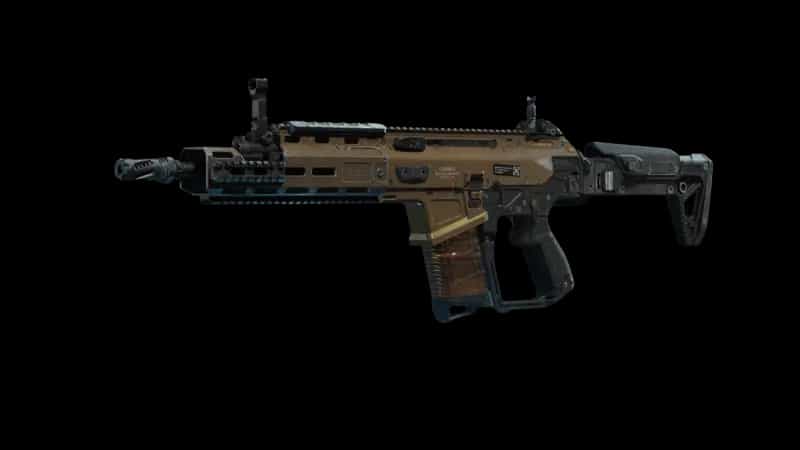
Best MXR-17 Warzone Loadout for Controlled Mid-Range Fights
The MXR-17 is the kind of Warzone weapon that rewards players who prefer clean positioning and controlled engagements rather than frantic run-and-gun pressure. It has enough power to punish enemies caught rotating through open ground, while its handling can still feel manageable when a fight suddenly collapses into medium range. The build below leans heavily into consistency: suppressed fire, a comfortable sight picture, a larger ammunition reserve, and extra stability all help turn the MXR-17 into a dependable primary for Battle Royale and larger Resurgence maps. It is not designed to behave like an SMG, but if you enjoy holding angles, supporting teammates, and taking disciplined fights from cover, this setup fits that role extremely well.
Best Loadout
This configuration gives the MXR-17 a strong balance between range, sustained fire, recoil management, and visibility. Rather than chasing maximum mobility, the setup focuses on making each engagement easier to control once you are already in position.
| Attachment Slot | Selected Attachment |
|---|---|
| Barrel | 17" Greaves Scourge Barrel |
| Muzzle | Monolithic Suppressor |
| Optic | Fang HoverPoint ELO |
| Magazine | Rhodes Drum Mag |
| Stock | Winch Stock |
Attachment Analysis
The 17" Greaves Scourge Barrel sets the tone for the entire build. A longer, more performance-oriented barrel is exactly what I want on an MXR-17 setup intended to challenge enemies beyond immediate close quarters, as it supports the weapon's effectiveness when tracking targets across streets, rooftops, ridgelines, and other exposed areas. Pairing it with the Monolithic Suppressor gives the loadout a more deliberate long-range identity. Staying suppressed is especially valuable when firing repeatedly at a squad because you can apply pressure without making every engagement unnecessarily obvious to nearby teams. Together, those two attachments make the rifle feel much better suited to controlled rotations and positional play.
The Fang HoverPoint ELO keeps the visual side of the build relatively simple. Instead of adding excessive magnification, it provides a clear aiming window that works well when enemies move unpredictably through medium-range fights. That matters because the MXR-17 does not need to become a dedicated sniper-support rifle to be effective. The cleaner optic lets you transition between targets without feeling locked into a narrow field of view, which is useful when two opponents cross the same opening or when a teammate suddenly calls out somebody pushing from a different angle.
Where the setup becomes particularly useful for squad modes is the Rhodes Drum Mag. Extended engagements in Warzone rarely involve one perfectly isolated opponent. You might crack one player, shift onto a second, then need enough ammunition left to prevent the first from re-peeking after plating. A larger magazine gives you more room to maintain that pressure without reloading at the worst possible moment. The trade-off is naturally a heavier overall setup, which is one reason the Winch Stock is important. It helps keep the MXR-17 composed and reinforces the controlled character of the build rather than trying to disguise it as a lightweight assault option.
Taken together, these attachments produce a weapon that favors accuracy and sustained pressure over aggressive handling. You gain a stable sight picture, useful effective range, suppression, and enough ammunition to deal with multiple targets before resetting. The cost is that movement and weapon responsiveness are not going to feel as sharp as they would on a close-range configuration. That is a reasonable compromise here: the MXR-17 works best when you start a gunfight on your terms instead of sprinting into somebody else's.
Gameplay Tips
One situation where I'd be very comfortable using this MXR-17 is when a team has to rotate across exposed ground. I wouldn't immediately dump half the drum into the first enemy I see. I'd get behind something solid, let the target commit to the crossing, then start firing when their options for changing direction are limited. The Fang HoverPoint ELO should make those lateral movements easy to read, while the larger magazine lets you keep shooting if a second player follows the same path.
Inside buildings, I treat the weapon very differently. If I hear an SMG player sprinting up a staircase, I don't want to challenge the doorway while moving forward with this setup. I'd rather pre-aim the angle, force them into my crosshair, or move far enough back that the fight becomes less chaotic. If the engagement turns into point-blank slides and rapid direction changes, switching to a dedicated close-range secondary is usually the smarter decision. The MXR-17 can survive uncomfortable fights, but building your game plan around them wastes what this configuration does well.
The Rhodes Drum changes how aggressively I'd pressure a damaged squad. Imagine cracking someone on a rooftop and seeing their teammate immediately peek the same head-glitch. With a smaller magazine, there is often an awkward decision between continuing to shoot and reloading before the next challenge. Here, I can stay patient and keep the angle dangerous. I still wouldn't burn through the entire drum just because the capacity is available; leaving enough rounds to cover a teammate's push is usually more valuable than spraying at a player who has already reached hard cover.
Resurgence encourages faster decisions, so I'd use the MXR-17 mainly to control the space around the building my squad wants to attack rather than being the first player through the door. In Battle Royale, I would be more willing to hold elevated positions and punish late rotations, especially when the circle forces enemies away from cover. The suppressor becomes more valuable in those slower situations because repeatedly revealing your position can invite third parties from surprisingly far away.
A habit I'd keep with this build is repositioning after a successful burst rather than becoming attached to the same window or rooftop edge. The MXR-17 gives you enough sustained firepower that it is tempting to keep challenging from one strong angle. That works until a squad marks your exact position and starts coordinating return fire. Fire, force armor plates, shift a few meters, and make the next peek come from somewhere slightly different. With a rifle this steady, changing the angle often matters more than trying to shoot faster.
Conclusion
The MXR-17 with the 17" Greaves Scourge Barrel, Monolithic Suppressor, Fang HoverPoint ELO, Rhodes Drum Mag, and Winch Stock is built for players who value control over chaos. It gives up some immediacy in exchange for a more forgiving platform when holding angles, covering rotations, and fighting several opponents without constantly interrupting the engagement to reload.
Use it from sensible positions, pair it with something quicker for cramped interiors, and the MXR-17 becomes a very practical primary for Warzone squads. The strongest reason to try this configuration is not one flashy statistic; it is how comfortably the pieces support the same tactical idea—take a good angle, stay difficult to locate, and keep enough rounds available to punish the next player who decides to peek.
PERKS & EQUIPMENT
- Drill Instructor
- Sprinter
- Survivor
Equipment
- LethalFrag
- TacticalStun Granade