MXR-17 - Top Loadout Ranked by DiazBiffle
MODS
GUIDE
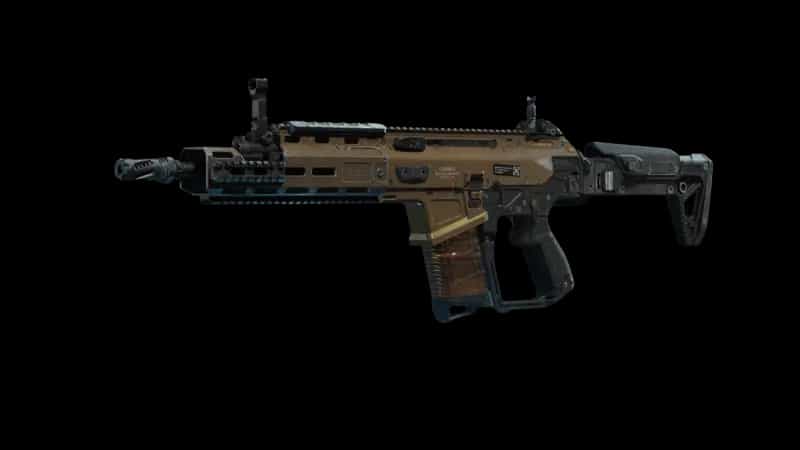
Best MXR-17 Loadout for Warzone: A Controlled Mid-to-Long Range Build
The MXR-17 is the kind of Warzone weapon that rewards patience more than reckless aggression. Built around a hard-hitting 7.62 platform, it makes the most sense when you give yourself enough space to control the engagement, settle the reticle, and punish enemies before they can close the distance. This setup leans heavily into that identity, trading some of the snappy feel you would expect from a close-range primary for a much more composed shooting experience across medium and longer sightlines.
What stands out about this version of the MXR-17 is its balance between range-oriented attachments and practical recoil control. The 17" Greaves Scourge Barrel, VAS Convergence Foregrip, and Monolithic Suppressor form the core of the build, while 7.62 NATO FMJ gives the rifle an extra utility angle against enemies using cover. The Redwell 30-S 2x completes the package with the sort of magnification that fits Warzone well: enough zoom to identify and track targets at distance without making every medium-range fight feel overly restricted.
Best Loadout
This MXR-17 configuration is designed primarily for controlled engagements where accuracy and consistency matter more than raw mobility. It is particularly well suited to Battle Royale rotations, rooftop fights, open terrain, and any position where you can create separation from aggressive SMG players.
| Attachment Slot | Selected Attachment |
|---|---|
| Underbarrel | VAS Convergence Foregrip |
| Barrel | 17" Greaves Scourge Barrel |
| Fire Mods | 7.62 NATO FMJ |
| Muzzle | Monolithic Suppressor |
| Optic | Redwell 30-S 2x |
Attachment Analysis
There is a clear direction behind these five attachments: make the MXR-17 easier to trust once a fight stretches beyond comfortable assault-rifle distance. The 17" Greaves Scourge Barrel is the foundation of that approach. Rather than trying to turn the rifle into a lightweight rushing weapon, the build gives the longer barrel room to reinforce its ranged characteristics and provide a steadier platform for repeated shots.
That becomes much more useful when paired with the VAS Convergence Foregrip. A weapon like the MXR-17 loses a lot of its appeal if you constantly have to interrupt your firing rhythm to correct the reticle, so investing in additional control makes sense. The foregrip helps the build feel more deliberate when tracking armor-plated opponents, particularly when the first few rounds do not immediately finish the engagement. It also complements the magnified optic, where even small movements are much more noticeable than they would be through a basic reflex sight.
The Monolithic Suppressor fits naturally into the same philosophy. Staying suppressed is valuable when firing from a strong position because it gives nearby squads less immediate information to work with while you pressure a target. More importantly, it does not force the MXR-17 away from its intended ranged role. The result is a rifle that feels designed for players who would rather control a lane, relocate after drawing attention, and take the next fight from another favorable angle.
Adding 7.62 NATO FMJ makes the setup slightly more specialized. Instead of focusing every attachment slot purely on handling, FMJ gives the MXR-17 more value when opponents start using thin cover to break line of sight. Combined with the Redwell 30-S 2x, it creates a build that encourages you to keep pressure on enemies who believe a wall edge, railing, or light piece of cover has completely ended the gunfight. The optic is also a sensible middle ground: enough magnification for distant tracking, but not so much that targets moving through the middle distance become awkward to follow.
Gameplay Tips
I would resist the temptation to use this MXR-17 like a conventional run-and-gun assault rifle. The build wants a little preparation. If I know a squad is rotating across an exposed road or moving between buildings, I would rather be aimed in before they appear than sprint into the sightline and rely on a fast reaction. Once the first enemy is caught in the open, the rifle has the control and visibility needed to keep following that movement.
Rooftops are especially interesting with this setup, but I would not stay glued to the same head glitch after firing several bursts. Suppression helps, yet experienced squads will still work out where the pressure is coming from. Fire, force plates, then move a few metres or change elevation before challenging again. The MXR-17 benefits far more from creating a second clean angle than from repeatedly peeking the exact same corner.
There is also a point where chasing damage becomes a bad decision. If I crack somebody who disappears into a building, I am not automatically following them through the door with this weapon in my hands. That turns a favorable ranged engagement into a close-quarters coin flip, particularly if the opponent has an SMG waiting. I would rather hold the exit, cut off the next rotation, or swap to a dedicated close-range secondary before committing.
Moving targets are where the 2x optic earns its place. An enemy running laterally across open terrain gives you enough time to settle into the tracking pattern, and I would prioritize keeping consistent pressure rather than desperately trying to land every round on the upper chest. Against someone constantly sliding, diving, and changing direction, smooth corrections are much more valuable than overreacting to each movement.
In Resurgence, I would play the MXR-17 from the edge of the chaos rather than directly inside it. Let teammates or opposing squads create noise around a building, then use windows, rooftops, or neighboring cover to punish anyone trying to escape. Battle Royale gives you more opportunities to stretch the rifle's legs during rotations, but the same habit applies in both modes: I want a second weapon ready before entering tight staircases or small rooms.
One detail I would keep in mind is ammunition discipline. Suppressed ranged fire makes it easy to keep shooting at every silhouette you see, especially when you have a clean optic. I would save the extended pressure for enemies I can realistically down or force out of a valuable position. Burning through reserves just to annoy a squad 150 metres away rarely helps when the next rotation leads straight into another team.
Conclusion
This MXR-17 loadout doubles down on what the rifle can do best: controlled, purposeful damage from positions where range and stability matter. The Greaves Scourge Barrel, VAS Convergence Foregrip, and Monolithic Suppressor give the weapon a composed foundation, while FMJ and the Redwell 30-S 2x add useful tools for maintaining pressure across typical Warzone sightlines.
It is not a build I would choose for blindly charging every building. Give it space, anticipate rotations, and make opponents fight their way toward you instead. In that environment, the MXR-17 becomes a far more convincing primary and a strong option for anyone who prefers winning engagements before they ever turn into close-range scrambles.
PERKS & EQUIPMENT
- Field Medic
- Sprinter
- Tempered
Equipment
- LethalSemtex
- TacticalStim Shot