MXR-17 - New Top Loadout
MODS
GUIDE
Best MXR-17 Warzone Loadout for Controlled Mid-to-Long Range Fights
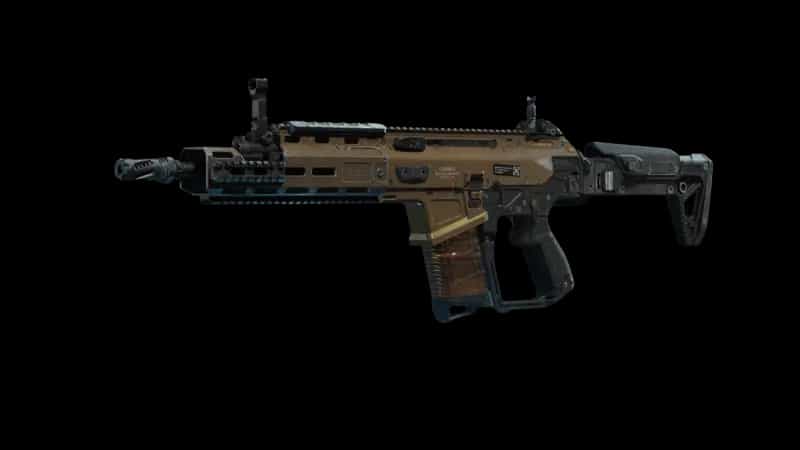
The MXR-17 is the kind of Warzone rifle that rewards discipline more than frantic aggression. With the right setup, it can deliver steady pressure across medium and longer sightlines while still feeling responsive enough when a fight suddenly moves closer. This particular build leans heavily into consistency: cleaner sustained fire, dependable bullet performance, and faster magazine handling without turning the weapon into an oversized long-range platform. It suits players who like taking intelligent angles, holding rotations, and forcing enemies to cross dangerous open space rather than constantly diving into close-quarters fights.
There is also a nice balance to this configuration. Instead of committing every attachment slot to maximum recoil reduction or pure damage-range optimization, the build keeps the MXR-17 practical during the messy parts of a Warzone match. You can move between rooftops, reposition after firing, reload quickly enough to stay involved in squad fights, and still challenge targets well beyond typical close-range engagements.
Best Loadout
The goal here is to make the MXR-17 reliable during repeated medium-range engagements while preserving enough handling to prevent the rifle from feeling cumbersome. The combination of the longer barrel, suppressor, foregrip, FMJ ammunition, and flip magazines gives it a very deliberate identity.
| Attachment Slot | Selected Attachment |
|---|---|
| Barrel | 18" Rift-M7 Barrel |
| Muzzle | Redwell Shade-X Suppressor |
| Underbarrel | VAS Convergence Foregrip |
| Fire Mods | 7.62 NATO FMJ |
| Magazine | TwinPack Flip Mags |
Attachment Analysis
The 18" Rift-M7 Barrel establishes the foundation of the build. A longer barrel is exactly what I want on an MXR-17 setup intended to control open lanes and punish players before they can reach cover. Paired with the Redwell Shade-X Suppressor, the rifle becomes better suited to measured engagements where remaining difficult to locate can matter almost as much as landing the initial shots. Suppressed fire is especially useful when you are working around the edge of a squad rather than shooting directly from the most obvious position.
The VAS Convergence Foregrip complements that approach by helping the weapon stay composed once the trigger is held down. The important benefit here is not simply making the first bullet easier to land; it is keeping follow-up shots close enough together that an enemy sprinting toward a rock, doorway, or head glitch remains under pressure. An MXR-17 that jumps around excessively would waste much of the advantage created by its longer-range configuration, so the additional control makes the entire setup more coherent.
Adding 7.62 NATO FMJ pushes the build further toward practical Warzone utility. In real engagements, enemies rarely stand completely exposed. They duck behind thin cover, disappear behind vehicle edges, or try to finish a rotation with only part of their body visible. FMJ ammunition fits a rifle that is frequently used to maintain pressure rather than simply chase point-blank kills.
The interesting attachment is the TwinPack Flip Mags. Instead of building around an enormous magazine that can slow the gun down, this setup favors quicker ammunition cycling and a more active rhythm during prolonged fights. That choice matters because the MXR-17 often works best when you fire a controlled sequence, break line of sight, reload, and reappear from another position. Taken together, these five attachments create a rifle that feels focused without becoming one-dimensional: stable enough for sustained fire, comfortable across longer lanes, and still manageable when the tempo increases.
Gameplay Tips
One habit I would build around this MXR-17 is avoiding unnecessary exposure after the first burst. If I catch somebody crossing between two buildings, I want enough time to land several accurate shots, but I do not want to remain planted in the same window after they reach safety. Suppressed fire gives you a little more freedom to work from unexpected positions, so changing angle after applying damage is usually more valuable than stubbornly holding the same sightline.
The rifle also makes sense when a squad is rotating through exposed ground. Imagine three enemies leaving a low building and moving toward rocks on the next ridge. I would not automatically focus the closest player. I would look for whoever has the longest distance to cover or whoever separates from the others. The stable nature of the build allows you to keep tracking a moving target rather than constantly correcting an unruly recoil pattern. Once someone is cracked, that is when squad pressure becomes much easier to create.
Inside buildings, however, I would be careful about forcing the MXR-17 into fights it does not need to take. If an SMG player suddenly appears two metres away, attachment balance will not magically turn this rifle into a dedicated room-clearing weapon. I would rather back through a doorway, use cover to create a few extra metres, and make the opponent push into my pre-aim. Chasing a cracked enemy down a staircase can be tempting, but it also throws away the distance advantage the build was designed to exploit.
The TwinPack Flip Mags change how I think about extended squad fights. Instead of treating every magazine as something that must be emptied before reloading, I would use small breaks in combat aggressively. If two enemies disappear behind cover and I have already spent a meaningful portion of the magazine, I would rather refresh immediately than discover six seconds later that I am nearly empty when their teammate swings. Those small reload decisions are especially valuable in Resurgence, where another enemy can enter the fight almost immediately.
Battle Royale gives this setup more room to breathe. Rooftops, hillsides, road crossings, and late-circle rotations all provide opportunities to use its controlled fire effectively. I would be more patient there and let enemies commit to bad movement before shooting. In Resurgence, the same rifle becomes more about holding the second angle: covering a teammate's push, watching the escape route from a building, or catching someone trying to retreat after losing armor.
One mistake I would avoid is firing simply because an enemy appears at extreme distance. A visible target is not always a useful target. If the opponent can reach hard cover before you realistically secure the down, shooting may only reveal your position and consume ammunition. With this MXR-17, I would rather wait two or three seconds for the enemy to leave cover and commit to a rotation. The rifle feels much more dangerous when the opponent has nowhere convenient to disappear.
Conclusion
This MXR-17 Warzone loadout is built around controlled aggression rather than constant rushing. The 18" Rift-M7 Barrel and Redwell Shade-X Suppressor give the weapon a strong foundation for ranged engagements, while the VAS Convergence Foregrip helps keep sustained fire manageable. FMJ ammunition adds useful pressure against enemies playing around cover, and the TwinPack Flip Mags keep the rifle active during repeated engagements.
It is a setup for players who prefer winning fights through positioning, timing, and consistent tracking. Give the MXR-17 a clear lane, resist the urge to chase every damaged opponent into a building, and the weapon becomes especially effective at making enemy rotations feel uncomfortable from the moment they leave cover.
PERKS & EQUIPMENT
- Scavenger
- Sprinter
- Hunter
Equipment
- LethalCombat Axe
- TacticalSmoke Grenade