Ranked META Loadout (Season 5 Warzone) - MXR-17
MODS
GUIDE
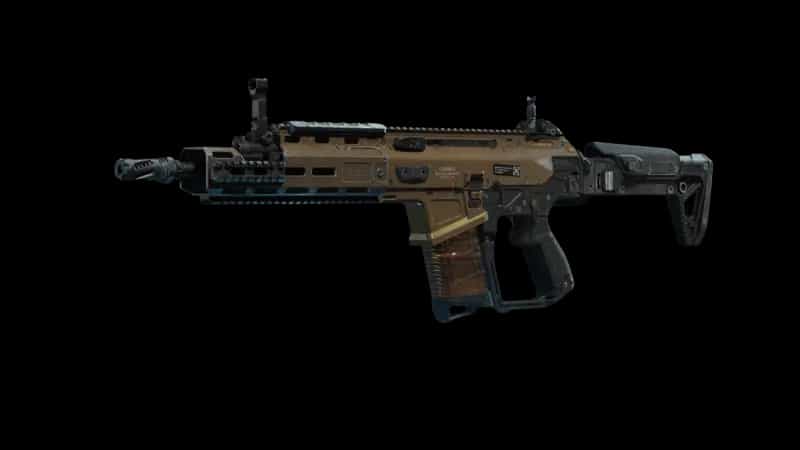
Best MXR-17 Loadout in Warzone for Controlled Mid-to-Long Range Fights
The MXR-17 is the kind of Warzone weapon that rewards deliberate gunfights rather than reckless aggression. With the right attachments, it becomes a composed mid-to-long-range option built around cleaner recoil, stronger projectile performance, and enough visual clarity to stay locked onto targets as they move between cover. This particular setup leans heavily into consistency. It is better suited to players who like holding rooftops, controlling rotations, supporting teammates from a second angle, and punishing enemies who expose themselves in open ground than to anyone looking for an ultra-fast run-and-gun primary. The trade-off is straightforward: you give up some close-range responsiveness in exchange for a rifle that feels much more trustworthy once the fight stretches beyond SMG distance.
Best Loadout
The goal with this MXR-17 configuration is to create a stable, suppressed rifle that can keep landing shots through extended engagements without forcing you to constantly fight the weapon's movement. The 2x optic also pushes the build toward measured engagements where target identification and recoil management matter more than maximum ADS speed.
| Attachment Slot | Selected Attachment |
|---|---|
| Barrel | 17" Greaves Scourge Barrel |
| Muzzle | Monolithic Suppressor |
| Optic | Redwell 30-S 2x |
| Fire Mods | 7.62 NATO FMJ |
| Underbarrel | VAS Convergence Foregrip |
Attachment Analysis
The 17" Greaves Scourge Barrel gives the MXR-17 the foundation it needs for ranged work. Paired with the Monolithic Suppressor, the rifle is configured around maintaining effectiveness when opponents are no longer directly in front of you. A suppressed setup is especially useful in Warzone because it allows you to pressure enemy squads without advertising every firing position quite as aggressively, while the barrel helps support the weapon's more methodical identity. The result is a rifle that encourages longer sightlines and disciplined bursts rather than frantic corrections during close-quarter fights.
Recoil management is where the VAS Convergence Foregrip becomes particularly valuable. Magnified optics expose every small bounce in a weapon's firing pattern, so stability matters even more with the Redwell 30-S 2x attached. Instead of relying on an unmagnified sight and simply dragging your aim toward a target, the 2x optic gives you a clearer picture of enemies crossing roads, rotating between buildings, or peeking from cover at medium distance. The foregrip helps keep that sight picture manageable through sustained fire, allowing you to correct gradually rather than repeatedly losing the target after the first few bullets.
The 7.62 NATO FMJ rounds complete the build by reinforcing its pressure-oriented playstyle. Rather than transforming the MXR-17 into something completely different, the ammunition choice complements a setup designed to challenge opponents behind light cover and keep damage flowing when enemies attempt to retreat. Taken together, these five attachments favor bullet consistency, controllability, and practical range over raw mobility. ADS speed and sprint-to-fire performance are not the main priorities here, which means positioning before the fight starts becomes more important. If you are already aiming toward the correct doorway, rooftop edge, or rotation path, the MXR-17 has the tools to capitalize.
Gameplay Tips
One situation where I'd want this build ready is when another squad has to leave cover before mine does. Picture a team rotating out of a building and crossing a stretch of road toward the next zone. I wouldn't immediately dump the entire magazine at the first shoulder I see. I'd get the 2x centered, wait until a target commits to the crossing, and then use the MXR-17's steadier firing characteristics to keep shots connected. A rifle like this gets more value from punishing predictable movement than from chasing every tiny window of damage.
Buildings require a different mindset. If I hear an SMG player sprinting up a staircase toward me, I wouldn't pretend the MXR-17 suddenly becomes a perfect close-range weapon just because the recoil feels controlled. I'd either create distance, hold the doorway from an already aimed position, or swap to a dedicated close-range secondary. That distinction matters. This configuration works beautifully when you decide where the engagement happens; it becomes far less comfortable when somebody else forces the tempo from five metres away.
The Redwell 30-S 2x also changes how I'd approach rooftop fights. Magnification makes it tempting to stare at one enemy for too long, especially after breaking armor. That's usually when a second player finds an angle on you. I'd take the crack, shift a few metres, then reacquire rather than continuing to fire from exactly the same piece of cover. The suppressor helps reduce the amount of information you're handing out, but it doesn't make your position invisible. Against organised squads, repeated peeks from the same window or head-glitch are still an invitation to get punished.
In Resurgence, I'd play the weapon a little more aggressively from strong second-floor windows, roofs, and outer edges of busy areas. There are enough frequent rotations and redeploying enemies that the 2x optic can constantly find useful targets. What I would avoid is blindly chasing every cracked opponent into a cramped room. A broken plate doesn't automatically mean a free elimination. If the enemy disappears behind a doorway where their SMG has the advantage, I'd rather hold the exit, cut off their next move, or let a teammate collapse from another angle.
Battle Royale rewards even more patience. During later rotations, I'd use the MXR-17 to protect movement rather than always being the first player crossing open terrain. If a teammate starts rotating, having this rifle aimed at likely windows and ridgelines can discourage enemies from taking easy shots. Then, once it's my turn to move, I'd rotate while the opposing squad is healing or repositioning. That kind of alternating pressure suits the build far better than everyone sprinting simultaneously and hoping the next fight works out.
The small habit I'd keep in mind is to stop firing once the engagement stops being favorable. With a stable 2x build, it's easy to convince yourself that another five bullets will finish a target disappearing behind cover. Sometimes they will; sometimes you're just exposing your position and burning ammunition. I'd rather reset the angle and make that player wonder where the next burst is coming from.
Conclusion
This MXR-17 Warzone loadout is built for players who want their primary weapon to feel composed when fights start stretching across streets, rooftops, hillsides, and rotation paths. The Greaves Scourge Barrel, Monolithic Suppressor, VAS Convergence Foregrip, Redwell 30-S 2x, and 7.62 NATO FMJ combine into a setup centered on recoil control, visibility, ranged pressure, and reliable follow-up shots.
It is not a build designed to solve every possible engagement, and that is part of its appeal. Pair it with a fast close-range secondary, choose your firing positions carefully, and the MXR-17 becomes a strong tool for controlling the fights that often decide Warzone matches before the final circle even begins.
PERKS & EQUIPMENT
- Field Medic
- Sprinter
- Tempered
Equipment
- LethalSemtex
- TacticalStim Shot