Top Loadout TTK Long Range - AR - TR51 Para
MODS
GUIDE
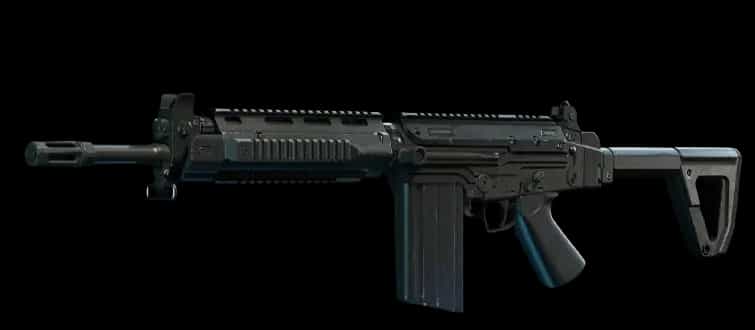
Best TR51 Para Loadout in Warzone: A Powerful Build for Mid-to-Long-Range Fights
The TR51 Para is the kind of assault rifle that rewards players who prefer controlling engagements rather than rushing into every fight. In Warzone, where positioning, accuracy, and consistent damage can determine whether a squad survives its next rotation, having a reliable primary weapon is often more valuable than chasing the fastest possible time-to-kill.
What makes the TR51 Para particularly appealing is its potential as a versatile rifle for medium and longer distances. With the right attachments, it can become a dependable option for holding rooftops, challenging enemies across open terrain, and supporting teammates during extended firefights.
This setup focuses on improving recoil management, maintaining accuracy, and providing enough ammunition to handle multiple opponents without constantly interrupting the action. It sacrifices some close-range responsiveness in exchange for a more controlled shooting experience, making it especially attractive to players who prefer deliberate positioning and calculated engagements.
Best Loadout
For this TR51 Para configuration, the priority is straightforward: build a stable, suppressed rifle capable of maintaining pressure during sustained engagements. The combination of barrel, muzzle, foregrip, optic, and magazine is designed around consistency rather than aggressive mobility.
| Attachment Slot | Selected Attachment |
|---|---|
| Barrel | 18.5" MFS Fallen Angel Barrel |
| Muzzle | Monolithic Suppressor |
| Optic | Fang HoverPoint ELO |
| Magazine | Carus Capacity Mag |
| Underbarrel | VAS Convergence Foregrip |
This five-attachment setup gives the TR51 Para a clear mid-to-long-range identity, prioritizing controlled bursts, a clean sight picture, and sustained firepower over the handling advantages of a lightweight assault rifle.
Attachment Analysis
The 18.5" MFS Fallen Angel Barrel establishes the foundation of this configuration. Its role is to support the rifle's performance during engagements where accuracy and effective damage delivery matter more than rapid movement. Paired with the Monolithic Suppressor, the setup leans toward maintaining pressure at distance while benefiting from suppressed fire. That combination is particularly appealing when challenging opponents who are rotating between buildings or attempting to escape through exposed areas.
The VAS Convergence Foregrip complements this approach by emphasizing weapon control. When firing at a moving target, even small corrections can become difficult if the rifle shifts excessively between shots. A more manageable firing pattern allows players to concentrate on tracking opponents instead of constantly fighting their own weapon. It also encourages disciplined bursts rather than emptying an entire magazine whenever someone appears on the horizon.
Visibility is another consideration, which explains the inclusion of the Fang HoverPoint ELO. A clear optic can make a meaningful difference when tracking an enemy crossing a road, appearing briefly behind rooftop cover, or moving between distant windows. The objective isn't excessive magnification but a comfortable sight picture that supports quick target acquisition without unnecessarily complicating medium-range engagements.
Meanwhile, the Carus Capacity Mag addresses one of the biggest frustrations in squad-based Warzone combat: running out of ammunition before an engagement is actually finished. Additional magazine capacity gives players more flexibility to damage one opponent, transition toward another, and continue applying pressure while teammates reposition.
There is a trade-off to consider. This configuration doesn't dedicate attachment slots to maximizing ADS speed, sprint-to-fire responsiveness, or aggressive movement. Depending on the weapon's handling characteristics, that can leave the TR51 Para feeling less comfortable during sudden close-range encounters. However, the emphasis on stability, suppression, and ammunition capacity creates a coherent build for players who intend to fight from advantageous positions.
Gameplay Tips
One mistake I'd avoid with this TR51 Para is treating every enemy sighting as an invitation to start shooting. Imagine spotting two opponents leaving a building while their third teammate remains somewhere behind them. Opening fire immediately might secure a few armor hits, but it could also reveal your position before the entire squad becomes vulnerable. I'd rather wait until the first player commits to crossing open ground, then use the rifle's controlled firing characteristics to punish that movement.
Rooftops are another situation where I'd give this setup serious consideration, although I wouldn't stay exposed for longer than necessary. A good position provides visibility over nearby rotations, but standing in the same spot after firing several bursts is practically asking for return fire. I'd challenge from one angle, retreat behind cover to reload or recover armor, and then look for a different opening. The suppressor supports a less conspicuous approach, but it certainly doesn't make careless positioning safe.
Against moving targets, patience matters more than trying to land every possible shot. When someone is sprinting diagonally across a street, I'd aim slightly ahead of their movement and make controlled adjustments as they change direction. Long, uncontrolled sprays can become expensive when ammunition is limited and another opponent could appear immediately afterward. The Carus Capacity Mag provides additional breathing room, but that doesn't mean every engagement deserves an entire magazine.
Things become more complicated when a squad starts pushing your building.
If I hear footsteps approaching a staircase, I'm not particularly interested in challenging the first opponent while sprinting around a corner. This build isn't designed around winning every sudden hip-fire or lightning-fast ADS contest. I'd establish a defensive angle, anticipate where the enemy will appear, and force them to enter my line of sight. If the fight collapses into a tiny room, switching to a dedicated close-range secondary becomes the more sensible option.
In Battle Royale, I'd lean heavily into the TR51 Para's ability to support measured rotations. During later circles, holding an angle over an exposed crossing can be more valuable than chasing a damaged opponent into an unfamiliar building. I'd also pay attention to ammunition reserves before leaving cover. A large magazine is helpful, but it doesn't compensate for entering the next fight with barely enough spare rounds to finish one enemy.
Resurgence calls for a slightly different mentality. The faster pace creates more opportunities to catch opponents moving between rooftops or returning to their teammates. I'd use the TR51 Para to establish an advantage before committing to a push, especially when a teammate has already identified an isolated target. Once armor is broken, though, I'd make a quick decision: either coordinate the finish or hold the escape route. Chasing every cracked opponent through multiple rooms can turn a favorable engagement into an unnecessary close-range gamble.
There's also a small habit I'd recommend developing with this setup: don't reload automatically after every elimination. If you've still got enough ammunition to cover a doorway or challenge another opponent, maintaining your position might be more useful than starting a reload animation. A second enemy often appears precisely when the first one goes down, and having your weapon ready can matter more than having a completely full magazine.
Conclusion
The TR51 Para with the 18.5" MFS Fallen Angel Barrel, Monolithic Suppressor, Fang HoverPoint ELO, Carus Capacity Mag, and VAS Convergence Foregrip offers a focused Warzone configuration for players who value control, sustained fire, and confident positioning.
Rather than attempting to turn the rifle into an all-purpose close-range weapon, this build embraces its role as a dependable primary for medium-to-long-range engagements. It offers a sensible balance of practical accuracy, visual clarity, and magazine capacity while leaving aggressive indoor fighting to a more suitable secondary weapon.
Give this configuration a try if your preferred approach involves controlling sightlines, protecting squad rotations, and forcing opponents to fight on your terms. The TR51 Para doesn't need to win every frantic doorway battle to earn its place in a loadout; sometimes the smarter play is making sure the enemy never reaches that doorway in the first place.
PERKS & EQUIPMENT
- Scavenger
- Sprinter
- Tempered
Equipment
- LethalSemtex
- TacticalStim Shot