Voyak KT3 - Loadout for midrange - Season 6 Warzone (09/10)
MODS
GUIDE
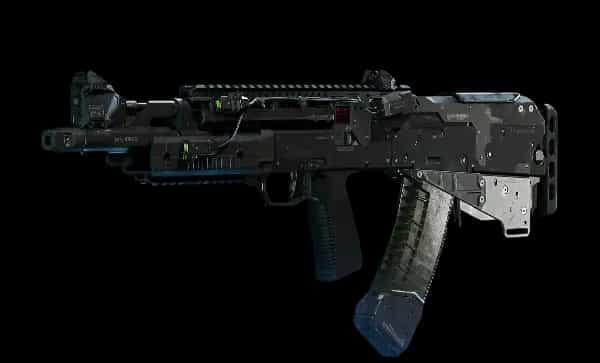
Best Voyak KT3 Loadout for Warzone: A Suppressed Build That Rewards Smart Positioning
The Voyak KT3 is the kind of assault rifle that makes a lot more sense once you stop treating every gunfight like a race to empty your magazine. In Call of Duty: Warzone, accuracy, positioning, and knowing when to commit can be just as valuable as raw firepower. That's exactly the philosophy behind this particular Voyak KT3 loadout.
Built around the 17.6" LTI Grav-4 Barrel, SWF Tishina-11, and 7.62 Soviet FMJ, this setup prioritizes controlled engagements, reliable shooting, and the flexibility to challenge enemies across different parts of the map. The Slipjoint Flip Mag adds a practical advantage when managing reloads, while the Fang HoverPoint ELO provides a clean sight picture for tracking targets.
Rather than building the Voyak KT3 into an aggressive close-quarters weapon, we're giving it a more deliberate identity. It's a rifle for players who like controlling sightlines, catching opponents during rotations, and maintaining pressure without constantly exposing themselves.
Best Loadout
This five-attachment configuration focuses on making the Voyak KT3 a dependable primary weapon for medium-range engagements, with enough flexibility to handle longer sightlines when necessary.
| Attachment Slot | Selected Attachment |
|---|---|
| Fire Mods | 7.62 Soviet FMJ |
| Magazine | Slipjoint Flip Mag |
| Barrel | 17.6" LTI Grav-4 Barrel |
| Muzzle | SWF Tishina-11 |
| Optic | Fang HoverPoint ELO |
The combination is designed for players who prefer consistency over flashy movement builds. Instead of stacking attachments purely for speed, it emphasizes the qualities that matter when you're trying to win consecutive engagements without surrendering your position.
Attachment Analysis
The 17.6" LTI Grav-4 Barrel forms the foundation of this setup. A barrel-focused configuration is particularly valuable on an assault rifle intended to contest medium and longer sightlines, where predictable weapon behavior matters more than shaving a fraction of a second off every movement. The idea is to make the Voyak KT3 comfortable when holding an angle or following an opponent moving between pieces of cover.
Pairing that barrel with the SWF Tishina-11 reinforces the build's suppressed approach. Staying less conspicuous while firing is valuable when you're working around the edges of a squad fight, particularly if opponents haven't identified your position. Suppression doesn't make you invisible, of course. Enemies can still hear nearby shots, recognize tracers, and work out where the damage is coming from.
The 7.62 Soviet FMJ ammunition selection adds another interesting dimension. FMJ-oriented ammunition is especially appealing when enemies repeatedly retreat behind thin cover or try to interrupt a gunfight by ducking out of sight. Its value depends on the surfaces involved and the game's penetration mechanics, so I wouldn't treat it as permission to shoot through every wall. Instead, think of it as another way to punish opponents who rely too heavily on marginal cover.
Then there's the Slipjoint Flip Mag, an attachment that fits the practical nature of this build. Reload management is frequently overlooked when discussing assault rifle setups, yet it becomes crucial during extended squad fights. A magazine choice that supports efficient ammunition handling can help maintain pressure, although it shouldn't be confused with the sheer sustained firing capacity of a large extended magazine.
Finally, the Fang HoverPoint ELO keeps the aiming experience straightforward. A clean optic is useful when following players crossing rooftops, peeking windows, or strafing around obstacles. It won't magically eliminate recoil, but it can make the weapon's movement easier to read and help you recognize when your aim is drifting away from the target.
Taken together, these attachments create a Voyak KT3 configuration that favors measured shooting, controlled pressure, and sensible engagement distances rather than maximum aggression.
Gameplay Tips
Imagine you're rotating toward the next safe zone and spot two enemies crossing a road between buildings. My first instinct with this Voyak KT3 setup wouldn't be to shoot immediately. I'd wait until at least one opponent was far enough from cover that I could land meaningful damage before they disappeared. Opening fire too early gives the entire squad a chance to react, and a suppressed rifle doesn't compensate for poor timing.
I'd use this weapon to control space rather than force every fight. If I'm holding a rooftop overlooking a busy intersection, I want opponents to feel uncomfortable crossing that area. That doesn't mean firing continuously at every moving target. Sometimes a few accurate shots are enough to force someone behind cover, creating an opportunity to reposition or help a teammate secure a better angle.
The Slipjoint Flip Mag also influences how I'd handle multiple opponents. Suppose I've damaged one player and their teammate immediately challenges from another doorway. I'd rather break line of sight, complete a reload safely, and re-engage from a slightly different position than gamble on finishing both with whatever ammunition remains. Warzone rewards players who understand when a fight needs resetting.
Inside buildings, though, I'd be considerably less enthusiastic about taking unnecessary risks.
An opponent sliding through a doorway with a dedicated SMG can create a miserable situation for a rifle-focused build. I wouldn't willingly turn that into a point-blank duel unless I already had the advantage. If I hear someone sprinting up a staircase, I'd pre-aim the entrance, use available cover, and avoid standing somewhere that allows them to challenge from multiple directions.
The Voyak KT3 becomes much more threatening when you dictate the first angle of the engagement. That's particularly relevant in Resurgence, where third parties can arrive almost immediately after a fight starts. If I crack an enemy on a neighboring rooftop, chasing them blindly isn't always worth it. I'd check for their teammates, watch possible escape routes, and only commit when the surrounding area looks manageable.
In Battle Royale, I would lean further into the suppressed configuration. During late rotations, there's real value in avoiding unnecessary attention while keeping an enemy squad pinned behind cover. The FMJ ammunition also gives me a reason to test certain penetrable surfaces when an opponent is using the same position repeatedly, rather than automatically exposing myself for a cleaner shot.
One habit I'd strongly recommend is changing your firing position after revealing yourself to an organized squad. Even with a suppressor, staying on the same rooftop corner after several bursts is asking to get pre-aimed. Move to another window, change elevation, or let a teammate take over the angle.
And when an enemy disappears behind cover with almost no health remaining, don't let that tempting elimination ruin your positioning. Sometimes the smarter play is to hold the escape route and make them walk back into your sights.
Conclusion
This Voyak KT3 loadout offers a thoughtful alternative to Warzone builds that prioritize nothing but aggressive movement and close-range speed. The combination of the LTI Grav-4 Barrel, SWF Tishina-11, 7.62 Soviet FMJ, Slipjoint Flip Mag, and Fang HoverPoint ELO creates a setup centered on controlled engagements and tactical flexibility.
Its biggest appeal is the freedom to play patiently without becoming passive. You can pressure rotating squads, challenge exposed enemies, and support teammates while keeping your own positioning under control.
If you prefer winning fights through good angles, disciplined shooting, and well-timed aggression, this Voyak KT3 Warzone loadout deserves a place in your custom classes.
PERKS & EQUIPMENT
- Mountaineer
- Sprinter
- Adaptive
Equipment
- LethalCombat Axe
- TacticalStim Shot