MXR-17 - Setup Warzone Season 5
MODS
GUIDE
Best MXR-17 Loadout for Warzone: A Recoil-Controlled Mid-Range Build
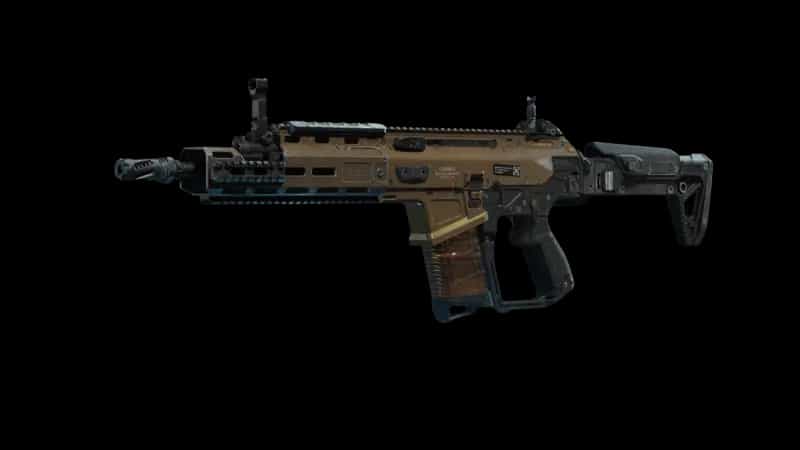
The MXR-17 is the kind of Warzone weapon that rewards players who prefer controlled, deliberate gunfights rather than constantly forcing close-range engagements. Its 7.62 ammunition gives it the punch you want from a primary rifle, while the right attachment combination can smooth out the recoil enough to keep consecutive shots on target across streets, rooftops, and open rotations. This setup leans heavily into that strength, building the MXR-17 around stability, clean visual tracking, and dependable ranged performance.
What stands out about this configuration is how comfortable it should feel when you need to stay on a target for more than the opening few bullets. The 17" Greaves Scourge Barrel, Greaves TI-762, and VAS Convergence Foregrip form the core of the build, while the Redwell 30-S 2x gives the rifle a practical sight picture without pushing it into sniper-style territory. Finally, 7.62 NATO FMJ ammunition adds extra utility when enemies try to use thin cover to break your line of fire.
Best Loadout
This MXR-17 setup is built primarily for mid-range and longer sightlines, with recoil management taking priority over aggressive handling. It is particularly well suited to players who like anchoring advantageous positions, covering teammates during rotations, or punishing enemies who expose themselves for too long.
| Attachment Slot | Selected Attachment |
|---|---|
| Barrel | 17" Greaves Scourge Barrel |
| Muzzle | Greaves TI-762 |
| Optic | Redwell 30-S 2x |
| Underbarrel | VAS Convergence Foregrip |
| Fire Mods | 7.62 NATO FMJ |
Attachment Analysis
The most important characteristic of this build is consistency. The 17" Greaves Scourge Barrel gives the MXR-17 a stronger platform for ranged engagements, while the Greaves TI-762 and VAS Convergence Foregrip focus the setup toward more manageable recoil and steadier sustained fire. That matters enormously with a rifle like this because winning a fight at 40 or 60 meters is rarely about landing one perfect bullet. You need the weapon to remain predictable while an opponent changes direction, slides toward cover, or disappears behind the edge of a rooftop.
The Redwell 30-S 2x fits the intended engagement distance nicely. A higher-magnification optic could make distant enemies appear easier to hit, but it would also make the rifle feel more specialized and potentially more awkward when a fight suddenly develops closer than expected. A 2x optic provides enough magnification to track exposed targets without completely sacrificing awareness around the edge of the sight picture. That versatility matters in Warzone, where engagements rarely stay at one convenient range.
Then there is 7.62 NATO FMJ, which changes the way I would think about enemies using partial cover. Rather than immediately stopping fire whenever somebody disappears behind a light obstacle, FMJ gives the build more value when continuing pressure through penetrable surfaces. It also fits the broader identity of the MXR-17: this isn't a lightweight rushing rifle designed around maximum sprint-to-fire speed. The build is about keeping pressure on opponents, controlling angles, and making defensive cover less comfortable.
There is a trade-off. Investing this much into accuracy and stability means you are not dedicating attachment slots to maximum mobility or extremely fast ADS characteristics. That is acceptable as long as you play around it. The MXR-17 works much better when you enter fights prepared than when you expect the gun to rescue you after sprinting blindly around a corner.
Gameplay Tips
One situation where I'd want this MXR-17 immediately ready is an enemy squad crossing open ground between two buildings. I wouldn't rush the first shot just because somebody appears in the optic. I'd get the reticle settled, wait for a clean angle, and then keep the pressure on once the target commits to the crossing. With a controlled build like this, maintaining accurate fire for another half-second can be more valuable than trying to snap onto everything that moves.
Rooftops are another natural environment for it, but I wouldn't stay glued to the same head-glitch after every burst. Once you've cracked somebody, their teammates know where the shots came from. Fire, change your position by a few meters, and make them search for the next angle. The 2x optic gives enough visibility to reacquire targets without making those small positional adjustments feel cumbersome.
Inside buildings, my approach changes completely. If footsteps tell me an SMG player is about to fly through a doorway, I'm not relying on the MXR-17's ranged advantages to save the fight. I'd pre-aim if I already control the entrance, but if I'm caught moving through a staircase or narrow room, switching to a close-range secondary is usually the cleaner decision. Trying to force every encounter through one weapon is how a strong ranged build starts feeling much worse than it actually is.
Resurgence encourages faster decisions, so I'd use the rifle to control approaches rather than chase every cracked player. Suppose you damage somebody jumping from a roof into the next building. Following immediately may put you into a room where their SMG suddenly has every advantage. I'd rather hold the escape, watch for the teammate trying to cover them, or reposition to another window. There will always be another opportunity to finish the down.
In Battle Royale, the same build becomes especially useful during late rotations. When another squad has to leave cover before you do, patience is worth more than aggression. Keep the optic around likely exits, avoid wasting ammunition on impossible shots, and punish the moment they have no choice but to move. One habit I'd keep with the MXR-17 is resisting the temptation to shoot simply because I can see someone. A stable rifle becomes much more dangerous when the first burst starts from a position the enemy hasn't already identified.
Conclusion
The MXR-17 with the Greaves Scourge Barrel, Greaves TI-762, Redwell 30-S 2x, VAS Convergence Foregrip, and 7.62 NATO FMJ is a strong choice for Warzone players who value composure over frantic aggression. Its attachment package is designed to make sustained fire easier to control while keeping the rifle useful across the ranges that define many Battle Royale and Resurgence engagements.
It won't turn the MXR-17 into an SMG replacement, and it shouldn't. Give it a strong angle, enough room to work, and a target that has to cross your sightline, and this build has exactly the kind of controlled pressure that can dictate an entire fight.
PERKS & EQUIPMENT
- Scavenger
- Sprinter
- Tempered
Equipment
- LethalCombat Axe
- TacticalStim Shot