Kogot-7 - Best TTK Loadout Season 5 Warzone
MODS
GUIDE
Best Kogot-7 Loadout in Warzone for Aggressive Close-Range Play
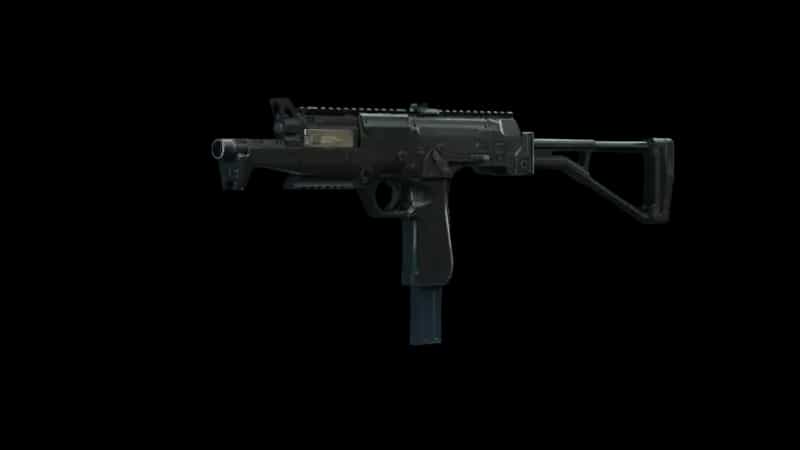
The Kogot-7 fits a very specific type of Warzone player: someone who wants to keep fights moving, pressure weakened enemies, and avoid getting trapped in slow, drawn-out gunfights. Rather than turning the weapon into something it is not, this build leans into fast engagements while giving it enough control to stay dependable when a target starts strafing across a doorway or trying to escape through cover. The combination of the short barrel, compensator, laser, stock, and expanded magazine creates a setup that feels most at home around buildings, rooftops, stairwells, and the tighter sections of the map where reaction speed matters more than extreme-range precision.
What stands out about this configuration is the balance between aggression and control. The Kogot-7 can be built purely for speed, but that often leaves too much movement in the weapon when the first few shots do not immediately finish the fight. Here, the Hawker Ported Comp and F7-Howl Stock help keep the gun manageable, while the 8.5" Targil Hock-XR Barrel and Convergence Box Laser preserve the responsive character you want from a weapon designed for quick engagements. Add the larger Vex Expanse Mag, and the result is a loadout that can handle the messy reality of Warzone fights instead of only looking fast on paper.
Best Loadout
This Kogot-7 setup prioritizes responsiveness, close-range consistency, and enough ammunition to deal with consecutive enemies without turning the weapon into a slow, oversized build.
| Attachment Slot | Selected Attachment |
|---|---|
| Barrel | 8.5" Targil Hock-XR Barrel |
| Magazine | Vex Expanse Mag |
| Muzzle | Hawker Ported Comp |
| Laser | Convergence Box Laser |
| Stock | F7-Howl Stock |
Attachment Analysis
The strength of this build comes from how the attachments cover each other's weaknesses. The 8.5" Targil Hock-XR Barrel keeps the Kogot-7 compact and suited to fast transitions between sprinting, aiming, and changing targets. A short setup like this naturally makes more sense when you are moving through cover rather than challenging players from a distant ridge, so the rest of the build focuses on making those faster engagements cleaner.
That is where the Hawker Ported Comp becomes valuable. An aggressive weapon is much easier to trust when the recoil does not immediately punish you for holding the trigger during a chaotic fight. The compensator gives the build a more controlled firing character, which is particularly useful when an enemy begins sliding sideways or when your opening shots land around the torso instead of perfectly on target. The F7-Howl Stock supports that same idea by adding stability without completely sacrificing the movement-focused nature of the loadout.
The Convergence Box Laser pushes the setup back toward speed and responsiveness. In practical terms, this matters most when the engagement starts unexpectedly: rounding a corner, jumping through a window, or catching a player rotating between rooms. You want the weapon to settle quickly enough that you are not fighting your own aim while the opponent is already shooting. Meanwhile, the Vex Expanse Mag gives you breathing room once a fight turns into something larger than a clean one-versus-one. Warzone regularly forces you to shoot an armored target, transfer to a teammate, and then finish someone who is downed or attempting to reposition. Extra magazine capacity is much more valuable in those moments than a tiny mobility advantage gained by carrying fewer rounds.
The finished build is not meant to dominate distant sightlines. Its real appeal is versatility inside the ranges where fast movement, manageable recoil, and sustained pressure overlap. You still retain enough control to deal with enemies across a courtyard or on the opposite side of a small rooftop, but the setup remains compact enough to feel comfortable when the fight collapses into a hallway or staircase.
Gameplay Tips
A cracked opponent running into a building is exactly the kind of target I would chase with this Kogot-7. I would not sprint blindly through the same doorway, though. The better play is to use the weapon's quick handling to change the angle, enter from a window or secondary opening if possible, and arrive already prepared to fire. The build gives you the speed to pressure someone before they fully reset their armor, but that advantage disappears if you hand them an easy pre-aimed doorway.
The larger magazine also changes how aggressively I would approach a squad fight. Imagine two enemies pushing up a staircase while a third is covering from the next room. I would rather keep pressure on the first player, transition immediately to the second, and only reload after reaching hard cover. Reloading after every elimination is an easy habit to develop with close-range weapons, and it gets punished brutally in Resurgence where another player can appear almost instantly.
Moving targets are another situation where the compensator earns its place. If someone is sprinting across a short stretch of open ground, I would keep the burst controlled rather than trying to force every bullet into the target from the first frame. The Kogot-7 build is responsive enough to track movement, but it still benefits from disciplined aim. Missing half a magazine while trying to beam someone far outside the weapon's comfortable distance wastes the main advantage of carrying the Vex Expanse Mag.
There are also fights I simply would not accept. If another squad is holding a long rooftop with cover and I am stuck crossing an exposed street, challenging them repeatedly with this weapon makes very little sense. I would rotate underneath them, move through connected buildings, or wait until the distance collapses. The Kogot-7 rewards players who manufacture favorable ranges instead of standing still and hoping the gun can solve every problem.
Battle Royale makes me more selective about those pushes because a bad entry can end a long match. In Resurgence, I would be more willing to exploit the build's mobility and magazine size to force a damaged squad into uncomfortable positions. Even then, I would keep a longer-range secondary available. The moment a fight moves beyond a compact rooftop, courtyard, or building exterior, switching weapons is often smarter than trying to prove that the Kogot-7 can stretch beyond its intended role.
One small habit matters more than it sounds: after clearing a room, I would avoid reloading in the middle of the doorway. Move two steps deeper, break the enemy's line of sight, then reset. This loadout encourages momentum, and the easiest way to waste that momentum is to stand exposed for a reload immediately after winning the first gunfight.
Conclusion
The Kogot-7 becomes a dangerous close-range option when its speed is supported by enough recoil control and magazine capacity to survive real squad engagements. The 8.5" Targil Hock-XR Barrel and Convergence Box Laser keep it lively, while the Hawker Ported Comp and F7-Howl Stock make sustained fire easier to manage. The Vex Expanse Mag completes the setup by giving aggressive players more freedom to continue a push instead of constantly stopping to reload.
Use it to close gaps, punish injured enemies, and take fights around cover rather than treating it like a miniature assault rifle. In the right spaces, that combination of movement, control, and ammunition can make the Kogot-7 a very uncomfortable weapon to play against.
PERKS & EQUIPMENT
- Mountaineer
- Sprinter
- Adaptive
Equipment
- LethalSemtex
- TacticalStim Shot