Kogot 7 Post Patch (S5) - Loadout Expel
MODS
GUIDE
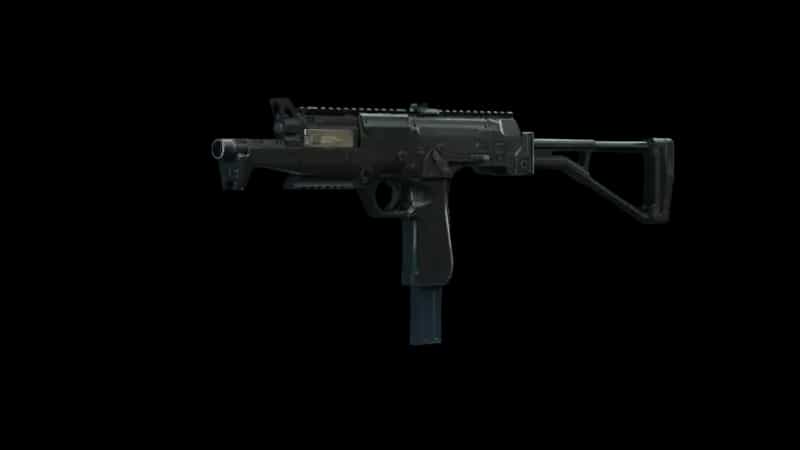
Best Kogot-7 Loadout for Warzone: A Recoil-Control Build for Consistent Fights
The Kogot-7 becomes a much more dependable Warzone weapon when the build is focused on keeping its firing behavior predictable rather than chasing maximum mobility. With the right attachment combination, it can settle into a strong role as a controlled primary for players who like taking deliberate mid-range fights, holding angles and maintaining pressure once an opponent starts moving between cover. This setup leans heavily into stability and sustained fire, making the Kogot-7 easier to manage when a gunfight lasts longer than the opening few bullets. It suits a measured playstyle particularly well: establish a good position, get your crosshair ready before the enemy appears, and make them work hard to escape once you start landing shots.
Best Loadout
This Kogot-7 configuration is built around recoil management and consistency. Instead of using an optic or stacking mobility attachments, the five available slots are invested in making the weapon easier to control while providing enough ammunition to stay involved when several enemies appear at once.
| Attachment Slot | Selected Attachment |
|---|---|
| Barrel | 13.5" Canis-O5 Barrel |
| Muzzle | LTI Stentorian Brake |
| Underbarrel | EAM Steady-90 Foregrip |
| Magazine | Vex Expanse Mag |
| Fire Mods | Buffer Spring |
The 13.5" Canis-O5 Barrel, LTI Stentorian Brake, EAM Steady-90 Foregrip, and Buffer Spring create a build with a clear identity: reduce the amount of correction required once the Kogot-7 starts firing. The weapon benefits enormously from attachments that help the sights remain settled during longer bursts, because Warzone rarely gives you perfectly stationary targets. Enemies slide behind walls, sprint through open spaces, jump from rooftops and repeatedly change direction while trying to break your aim. A steadier platform lets you spend less attention fighting the weapon and more attention tracking those movements.
The Vex Expanse Mag completes that approach by giving the Kogot-7 more breathing room during extended engagements. Magazine capacity can matter just as much as recoil control in squad modes. Breaking one opponent and immediately seeing his teammate challenge from another angle is common, and having extra rounds available means you are less likely to interrupt that pressure with an awkward reload. There is naturally a trade-off whenever a build commits this much equipment to control and ammunition: it is not designed to feel like an ultra-light SMG when snapping between targets at point-blank range. The payoff is greater confidence once the fight moves beyond the inside of a small room.
Attachment Analysis
What works about this combination is the way several attachments attack the same problem from different directions. The barrel gives the weapon a stronger foundation, while the brake, foregrip and Buffer Spring reinforce the Kogot-7's controllability during sustained bursts. Rather than relying on one recoil attachment to carry the entire setup, the build stacks stability until the weapon becomes noticeably easier to guide through a target's movement. That matters when shooting at somebody crossing a road or moving laterally across a rooftop, where small deviations in recoil can turn what should be an easy down into several wasted rounds.
There is also a practical advantage to skipping an optic here: the freed attachment slot can be used directly on weapon performance. If you are comfortable with the Kogot-7's default sight picture, this setup allows you to invest everything into the gun itself. The result favors deliberate ADS engagements, controlled tracking and repeated bursts rather than frantic close-range movement. It will not be the right configuration for somebody who wants maximum sprint-to-fire speed and aggressive room clearing, but as a supporting primary weapon it offers a useful mix of recoil control, ammunition capacity and general consistency.
Gameplay Tips
One situation where I'd want this version of the Kogot-7 is when a squad has to rotate across exposed ground. If an enemy starts running between rocks, low walls or buildings, I would rather hold my aim around chest level and keep a measured stream of fire on the target than constantly reset after short, unstable bursts. The extra control in this setup encourages tracking. Once someone is cracked, I wouldn't automatically sprint after them either. Keeping the angle and watching the next piece of cover can be more valuable, especially if their teammate is likely to peek while trying to help.
Inside buildings, I would be much more selective. A player suddenly sliding through a doorway with a dedicated close-range weapon can put this Kogot-7 build in an uncomfortable fight. My preference would be to pre-aim staircases and entrances whenever I know somebody is nearby rather than relying on a late reaction. If I have to enter a cramped room, that's usually the moment I'd want a faster secondary ready. The Kogot-7 feels far more convincing when you can dictate the engagement instead of being forced into a hip-fire scramble.
Rooftops are another good example. From a raised position, I like the idea of using the weapon to punish players moving from one building to another rather than wasting the magazine on someone repeatedly shoulder-peeking solid cover. The Vex Expanse Mag gives you enough freedom to maintain pressure, but that doesn't mean every available round should leave the barrel. Saving ten or fifteen rounds can be the difference between immediately challenging a second enemy and getting caught halfway through a reload animation.
In Resurgence, I'd play slightly more aggressively with it simply because fights tend to chain together quickly. Holding the edge of a building, catching a redeploying opponent or watching a squad cross between structures all fit the build nicely. In Battle Royale, I'd be more protective of positioning. When the circle forces a long rotation, I would rather arrive early, find cover and let the Kogot-7 work from a stable angle than sprint into the next zone and discover I'm trying to ADS while three players are already watching me.
The habit I'd avoid most is chasing every cracked opponent. This setup is good at creating pressure, and sometimes the stronger decision is to make the enemy stay hidden while your squad improves its position. If someone disappears behind a wall with one plate left, I don't need to turn that advantage into a reckless doorway fight. Keep the sight trained, watch the escape route, and make them be the one who has to solve the problem.
Conclusion
This Kogot-7 Warzone loadout trades some of the weapon's potential speed for something that matters enormously in real engagements: repeatable control. The 13.5" Canis-O5 Barrel, LTI Stentorian Brake, EAM Steady-90 Foregrip, Vex Expanse Mag, and Buffer Spring produce a setup built for players who value steady tracking and enough ammunition to survive complicated squad fights. If your preferred Warzone approach revolves around holding useful angles, punishing rotations and keeping opponents under sustained pressure, this is a Kogot-7 configuration worth taking into your next loadout.
PERKS & EQUIPMENT
- Scavenger
- Sprinter
- Survivor
Equipment
- LethalCombat Axe
- TacticalSmoke Grenade