VST - Loadout Season 5 Warzone
MODS
GUIDE
Best VST Loadout in Warzone: A Stable Mid-Range Build for Aggressive Rotations
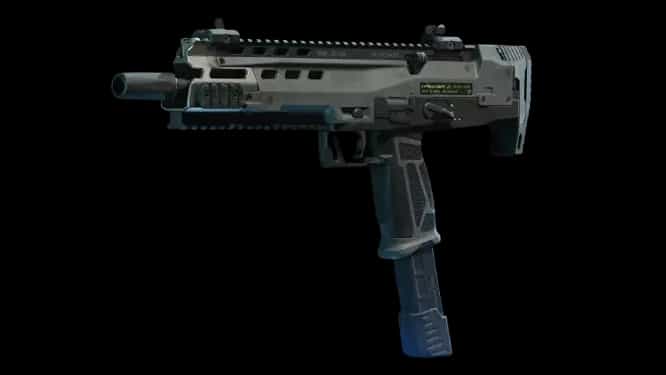
The VST becomes a much more convincing Warzone weapon when you stop trying to force it into a pure close-range role. With the right attachments, it has enough control and consistency to pressure enemies across streets, rooftops, and the awkward middle distances where overly specialized SMGs begin to struggle. This setup leans heavily into that versatility, giving the VST a steadier firing profile without stripping away the responsiveness that makes it useful when fights suddenly move indoors.
What stands out about this configuration is its balance. The weapon is still quick enough to follow an aggressive squad, but the added stability makes sustained fire considerably easier to manage when an opponent is moving between cover. That gives the VST a useful identity for players who like to rotate actively, take medium-range challenges, and still have something competitive in their hands when a fight collapses into a building.
Best Loadout
This VST setup focuses on improving recoil behaviour, practical range, magazine capacity, and general consistency during extended bursts. Rather than building entirely around movement speed, it gives the weapon enough control to stay reliable in the messy multi-target fights that define Warzone.
| Attachment Slot | Selected Attachment |
|---|---|
| Barrel | 14" LTI Expedition Barrel |
| Muzzle | Hawker Series 45 |
| Magazine | Avarice Extended MAG II |
| Underbarrel | EAM Steady-90 |
| Fire Mods | Buffer Spring |
Attachment Analysis
The 14" LTI Expedition Barrel is the foundation of the build because it pushes the VST toward a more comfortable engagement window. A weapon like this benefits enormously from being able to hold its damage and projectile performance beyond immediate SMG distance, especially when so many Warzone fights start with only a few metres of open space separating two pieces of cover. The longer barrel gives the setup more substance when you need to keep firing instead of abandoning a challenge after the first burst.
Pairing it with the Hawker Series 45 and EAM Steady-90 shifts the weapon further toward controllability. The important improvement here is not simply reducing recoil on a stat sheet; it is making the VST easier to keep centred while tracking an enemy who is strafing, sliding away from a doorway, or trying to reach the next rooftop obstacle. Less correction between shots means more of the magazine is actually doing useful work.
That matters even more because the Avarice Extended MAG II gives you the ammunition reserve to stay involved in longer engagements. Extended magazines are especially valuable on weapons designed to operate around squads rather than isolated one-on-one fights. You can crack one opponent, immediately transfer to another target, or keep applying pressure to a revive without being forced into a badly timed reload.
The Buffer Spring rounds everything out by reinforcing the controlled character of the build. Together, these five attachments make the VST feel less nervous during sustained fire. You sacrifice some of the extreme snap associated with lighter setups, but the trade is worthwhile when the goal is a weapon that can survive beyond the first ten metres of a fight.
There is still enough mobility here to play assertively. The VST is not being transformed into a slow long-range rifle; it remains a weapon for moving with your squad, entering compounds, clearing transitions, and taking advantage of enemies who are caught rotating. The attachments simply widen the number of fights you can reasonably accept.
Gameplay Tips
One situation where I really like the idea of this build is during a rotation through a built-up area where every engagement can start at a different distance. An enemy might appear from a second-floor window, another could be sprinting across the road, and thirty seconds later you're following your teammate through a staircase. A hyper-specialized setup can feel fantastic in one of those situations and miserable in the other two. This VST gives you more room to improvise.
If someone is crossing open ground, I would resist the temptation to immediately dump the entire magazine. The steadier recoil lets you track well, but controlled bursts still make the job easier once the target gets farther away. Keep the reticle around the upper torso, let the weapon settle when necessary, and use the extended magazine to maintain pressure if they reach partial cover. You often win those exchanges by denying the opponent enough time to plate rather than by forcing an instant elimination.
Building pushes require a slightly different mindset. I wouldn't charge blindly into a tiny room expecting this configuration to erase a dedicated close-range weapon. When a squad is holding a house, I'd rather pre-aim the doorway, clear the first angle properly, and use the VST's stability to punish someone peeking from deeper inside. If a player suddenly appears almost on top of you, movement and positioning become more important because the build is tuned for consistency rather than maximum point-blank speed.
The larger magazine is especially useful when a fight refuses to end cleanly. Imagine cracking a player behind a rooftop vent while their teammate swings from the opposite side. With a smaller magazine, the instinct is often to reload after the first burst, and that is exactly when the second opponent catches you. Here, I would keep enough rounds in reserve to cover that immediate counter-push before thinking about the reload.
Resurgence naturally encourages a little more aggression with this setup. There are more frequent engagements, enemies return quickly, and the VST's ability to move between indoor and outdoor fights becomes valuable. I would use it to hold the edge of a building or support a teammate's push rather than always being the first player through the door. In Battle Royale, I would be slightly more deliberate and take advantage of cover during longer rotations, particularly because losing positioning over one unnecessary chase can be far more punishing.
One habit worth developing is knowing when not to follow a cracked enemy. If someone disappears around a corner into a cramped room, chasing purely because their armour is broken can turn a favourable exchange into a close-range coin flip. With this VST setup, I'd much rather hold the exit, move to another angle, and make them expose themselves again.
Conclusion
This VST loadout gives Warzone players a strong middle ground between aggressive mobility and dependable gun control. The 14" LTI Expedition Barrel, Hawker Series 45, EAM Steady-90, Avarice Extended MAG II, and Buffer Spring work together to create a build that stays composed through longer bursts and remains useful across the constantly changing distances of a typical match.
It is a particularly sensible option for players who do not want to swap weapons every time a fight moves from a hallway to a rooftop. Give the build space to work, avoid forcing unnecessary point-blank challenges, and the VST becomes the kind of weapon you can comfortably keep equipped through an entire rotation.
PERKS & EQUIPMENT
- Scavenger
- Sprinter
- Tempered
Equipment
- LethalCombat Axe
- TacticalStim Shot