VST - New Loadout Close Range - Warzone
MODS
GUIDE
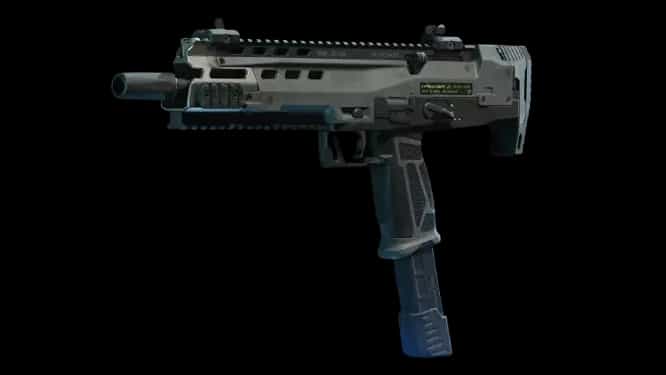
Best VST Loadout for Warzone: A Recoil-Controlled Mid-Range Build
The VST becomes a far more dependable Warzone weapon when its natural firepower is supported by stronger recoil control and a larger magazine. It is particularly appealing to players who prefer calculated engagements over frantic run-and-gun pushes, delivering the consistency needed to challenge enemies across streets, rooftops, and other exposed areas. The weapon can still operate around buildings, but this setup is primarily designed to make its sustained fire easier to manage.
Rather than chasing maximum mobility, this build concentrates on keeping the VST stable during extended bursts. The combination of the LTI Stentorian Brake, EAM Steady-90, and Quiver Control Grip reduces the effort required to stay on target, while the Avarice Extended MAG II provides additional ammunition for squad fights. The Hawker CUB-55 Pad completes the configuration by improving the weapon’s controlled feel, creating a balanced option for players who value accuracy and reliability.
Best Loadout
This VST loadout reinforces the weapon’s core combat performance without wasting an attachment slot on an optic. Its iron sights remain available, allowing all five selections to contribute directly to recoil management, stability, or ammunition capacity.
| Attachment Slot | Selected Attachment |
|---|---|
| Stock | Hawker CUB-55 Pad |
| Rear Grip | Quiver Control Grip |
| Magazine | Avarice Extended MAG II |
| Underbarrel | EAM Steady-90 |
| Muzzle | LTI Stentorian Brake |
Attachment Analysis
The LTI Stentorian Brake establishes the foundation of the build by helping contain the VST’s movement while firing. Warzone engagements often last longer than multiplayer duels, especially when armor plates and nearby teammates give opponents time to retreat. A muzzle focused on recoil control is therefore valuable because it keeps more consecutive rounds grouped around the intended point of impact. The attachment does not hide the shooter from the minimap like a suppressor would, so intelligent positioning remains necessary, but the improvement in firing consistency is worth the trade.
That control is reinforced by the EAM Steady-90 underbarrel. The VST feels more predictable when tracking a target who is moving laterally or attempting to reach cover, and that matters far more than producing a perfectly static recoil pattern on the firing range. Together, the muzzle and underbarrel reduce the corrections required during sustained bursts. The result is a weapon that can apply pressure beyond immediate close quarters without forcing the player to interrupt every engagement with repeated burst firing.
The Quiver Control Grip and Hawker CUB-55 Pad continue the same philosophy from the rear of the weapon. They help give the VST a planted, deliberate character when aiming and firing, making it easier to maintain control during awkward fights from windows, head glitches, and elevated positions. This configuration is not designed to produce the fastest possible ADS or sprint-to-fire speed. Instead, it favors the player who anticipates contact, raises the weapon early, and begins a fight from a prepared position.
Completing the setup, the Avarice Extended MAG II supplies the ammunition needed to exploit that improved accuracy. A standard magazine can become restrictive when an enemy escapes with low health or when a second opponent immediately enters the fight. The extended magazine creates room for missed shots, armor breaks, and rapid target changes without demanding an instant reload. It adds some weight to the weapon, but the increased capacity is especially useful in Trios and Quads, where a single engagement rarely ends after the first elimination.
The finished build sacrifices some speed and stealth in exchange for sustained accuracy and squad-fighting potential. It does not receive a direct attachment dedicated to damage range or bullet velocity, so players should avoid treating it as a substitute for a dedicated long-range rifle. Within its preferred window, however, the combination of stability and magazine capacity makes the VST much more forgiving.
Gameplay Tips
I’d approach fights with this VST by finding cover before committing to the first shot. If an opponent is crossing an open road, I want a wall, rock, or rooftop edge close enough to protect me when their teammates respond. The weapon’s controllable firing behavior lets you keep pressure on a moving target, but the unsuppressed muzzle can quickly reveal your position. Securing the down is useful; standing in the same exposed angle afterward is asking to be traded.
Inside buildings, preparation matters more than aggression. I would pre-aim staircases and doorways whenever footsteps suggest an imminent push because this configuration is heavier than a pure close-range build. If an SMG player surprises you while tactical sprinting through a room, the VST may struggle to match that instant responsiveness. Holding a disciplined angle changes the duel completely, allowing the recoil-focused attachments and larger magazine to do their work.
One advantage I particularly value is the freedom to continue shooting after cracking armor. With the Avarice Extended MAG II, there is less pressure to reload as soon as one enemy ducks behind cover. You can watch the escape route, discourage a revive, or transfer fire onto the teammate trying to challenge. Still, I wouldn’t chase every cracked opponent through an unfamiliar building. The VST is strongest when the enemy must reappear in a predictable place, not when you are sprinting blindly into a room where a faster weapon is waiting.
Resurgence naturally gives this build more frequent opportunities to pressure clustered squads. On compact maps, I’d use it from neighboring rooftops or across courtyards, then carry an agile secondary for stairwells and cramped interiors. Battle Royale calls for a little more restraint. During a late rotation across exposed terrain, firing the unsuppressed VST can attract attention from several directions, so I would reserve shots for targets I can realistically down or force away from a strong position.
Watch the reload timing despite the expanded capacity. The larger magazine encourages long firing sequences, and it is easy to enter the next encounter with fewer rounds than expected. After a fight, I’d plate behind cover first if danger is immediate, then reload before looting. That small habit matters when another squad arrives while the first team’s equipment is still scattered across the floor.
Conclusion
This VST loadout is built for players who want their shots to remain manageable deep into an engagement. The LTI Stentorian Brake, EAM Steady-90, Quiver Control Grip, and Hawker CUB-55 Pad give the weapon a composed firing profile, while the Avarice Extended MAG II provides the capacity needed to pressure multiple armored opponents.
It will not transform the VST into a lightweight room-clearing weapon or a silent long-range laser. What it offers instead is dependable control in the fights that fill most Warzone matches: catching enemies during rotations, defending an elevated position, and stopping a squad from advancing across open space. Give it a capable close-range secondary and use cover deliberately, and this build can become a reliable centerpiece of a competitive loadout.
PERKS & EQUIPMENT
- Mountaineer
- Sprinter
- Adaptive
Equipment
- LethalCombat Axe
- TacticalStim Shot