Best Strider-300 - One Shot Sniper - Season 6 Warzone (12/10)
MODS
GUIDE
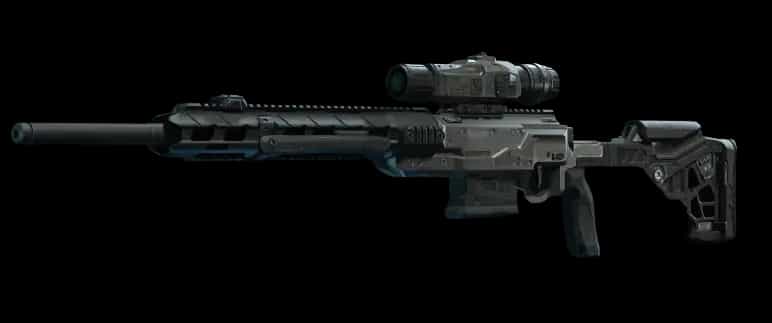
Best Strider-300 Loadout in Warzone: A Deadly Sniper Build for Long-Range Dominance
Landing a clean sniper shot in Warzone can completely change the direction of a fight. Whether you're stopping an enemy squad from rotating across open ground or punishing someone who has been holding the same rooftop for too long, having a reliable long-range weapon gives you opportunities that assault rifles simply cannot replicate. The Strider-300 is an appealing option for players who prefer calculated engagements, accurate shots, and controlling the battlefield from a distance.
Rather than building this sniper rifle exclusively around aggressive quickscoping, this setup prioritizes bullet performance, reliable long-range accuracy, and faster handling between shots. It is designed for players who enjoy finding strong positions, tracking enemy movements, and taking advantage of opponents who expose themselves during rotations.
The combination of a long barrel, suppressor, specialized ammunition, and handling-focused attachments creates a balanced sniper configuration. You still need good positioning and precise aim, but the weapon offers a practical combination of long-distance potential and enough responsiveness to avoid feeling unnecessarily cumbersome.
Best Loadout
The best Strider-300 loadout in Warzone focuses on improving long-range effectiveness while preserving some of the handling speed needed to react when enemies suddenly appear.
| Attachment Slot | Selected Attachment |
|---|---|
| Fire Mods | .300 WM Overpressured |
| Rear Grip | Hatch Quick Grip |
| Magazine | Carnation Fast Mag |
| Muzzle | Monolithic Suppressor |
| Barrel | 25" Bowen Grooved Barrel |
This five-attachment configuration is built around a straightforward philosophy: make the Strider-300 more dependable when engaging distant targets without sacrificing every advantage in mobility and weapon handling.
Attachment Analysis
The 25" Bowen Grooved Barrel provides the foundation for this long-range configuration. A barrel selected for distance-oriented performance complements the Strider-300's role as a precision weapon, particularly when shooting at opponents positioned across streets, rooftops, or open terrain. Its inclusion makes sense for a setup that values consistent ranged engagements rather than maximum close-quarters responsiveness.
Working alongside the barrel, .300 WM Overpressured ammunition emphasizes projectile performance. Bullet velocity is particularly valuable for snipers because it reduces the amount of lead required when tracking moving opponents. Faster projectiles can make shots against sprinting enemies more manageable, especially when the target is crossing an exposed area rather than standing still. However, players should still account for distance, movement, and any remaining bullet drop.
The Monolithic Suppressor adds another important element: discretion. Suppressed shots can make it harder for opponents to identify your firing position immediately, which becomes particularly useful when engaging multiple enemies from an elevated location. The attachment also fits the weapon's long-range focus, allowing the Strider-300 to operate as a more deliberate precision rifle instead of encouraging constant repositioning after every shot.
Handling becomes the next priority. The Hatch Quick Grip helps orient the configuration toward faster weapon responsiveness, compensating for some of the heavier long-range emphasis. A sniper rifle that feels slow when transitioning into a shot can be frustrating against opponents who repeatedly peek from cover, so maintaining practical handling is a worthwhile consideration.
Finally, the Carnation Fast Mag supports smoother ammunition management during extended engagements. Reloading at the wrong moment can cost an otherwise favorable position, especially when multiple opponents are applying pressure. A faster magazine-focused setup helps reduce that interruption and complements the more deliberate firing rhythm encouraged by the other attachments.
Together, these five components establish a clear identity for the Strider-300: a precision-focused sniper build that favors controlled engagements, strong positioning, and efficient follow-up opportunities rather than reckless aggression.
Gameplay Tips
One mistake I'd avoid with this Strider-300 setup is treating every visible enemy as an immediate shooting opportunity. Sometimes the better decision is waiting another two seconds. Imagine watching a squad leave a building and begin crossing a road toward the next safe zone. Shooting the first player while they're still beside cover might produce damage, but waiting until they're fully committed to the crossing gives you a much better chance of turning that opening shot into a meaningful advantage.
The suppressor makes that patient approach particularly attractive. I'd look for elevated positions with more than one escape route, preferably somewhere I can see approaching enemies without exposing my entire character model. A rooftop with a staircase behind it is useful, but only if the surrounding buildings don't give opponents an easy angle onto my position. Holding the highest point on the map isn't automatically better than holding a slightly lower position with reliable cover.
Against moving targets, I'd prioritize predictable movement over ambitious shots. Someone sprinting across a hillside is generally easier to track than an opponent repeatedly sliding and changing direction around a building. The Overpressured ammunition supports the Strider-300's projectile performance, but I still wouldn't expect it to eliminate the need for leading targets. If an enemy is moving unpredictably, waiting for a mantle animation, a directional change, or a momentary pause can be more productive than firing immediately.
The biggest danger comes when an opponent closes the distance without warning. A Strider-300 equipped for long-range engagements isn't the weapon I'd want in my hands when an SMG player suddenly appears in a narrow corridor. I'd pair this build with a reliable close-range secondary and switch weapons before entering buildings where a sniper rifle becomes awkward. Trying to force a scoped shot against an aggressive opponent is rarely worth the gamble when a faster alternative is available.
Squad fights also require discipline. If I down an enemy across an open courtyard, I wouldn't automatically abandon cover to secure the elimination. Their teammates may already be watching the angle, waiting for exactly that reaction. Instead, I'd maintain sightlines, communicate the down, and look for anyone attempting a revive. A sniper can create tremendous pressure without constantly chasing individual eliminations.
Resurgence demands a slightly different attitude. With enemies returning to the action and engagements developing quickly, I'd avoid remaining in the same sniper position for too long. The Strider-300 can still punish players rotating between buildings, but spending an entire fight watching one distant angle may leave your teammates outnumbered nearby. I'd use the rifle to create an opening, then move closer once the squad has an advantage.
There's also a small habit worth developing: reload while your teammates are repositioning, not when they're beginning a coordinated push. The Carnation Fast Mag helps with weapon downtime, but even a quick reload can become a problem if an enemy unexpectedly peeks your position. Before committing to another long-range exchange, I'd rather have the rifle ready than discover an empty magazine at the exact moment someone stops moving.
And if an opponent disappears behind cover after taking a hit, I wouldn't keep staring through the scope hoping for another peek. I'd change the angle slightly, watch their likely exit, and make them wonder whether the original firing lane is still safe.
Conclusion
The Strider-300 loadout in Warzone offers an attractive combination of long-range potential, suppressed fire, and handling improvements for players who prefer precision over constant aggression.
With the 25" Bowen Grooved Barrel, .300 WM Overpressured ammunition, Monolithic Suppressor, Hatch Quick Grip, and Carnation Fast Mag, this configuration emphasizes the qualities that matter when controlling distant engagements while retaining some flexibility for changing battlefield conditions.
Give this setup a try if you enjoy methodical sniper gameplay. The most satisfying moments won't necessarily come from spectacular long-distance shots, but from recognizing an enemy's next move early enough that they've already made a mistake before you pull the trigger.
PERKS & EQUIPMENT
- Field Medic
- Sprinter
- Hunter
Equipment
- LethalC4
- TacticalSmoke Grenade