Strider 300 - Loadout One Shot Season 5 Warzone
MODS
GUIDE
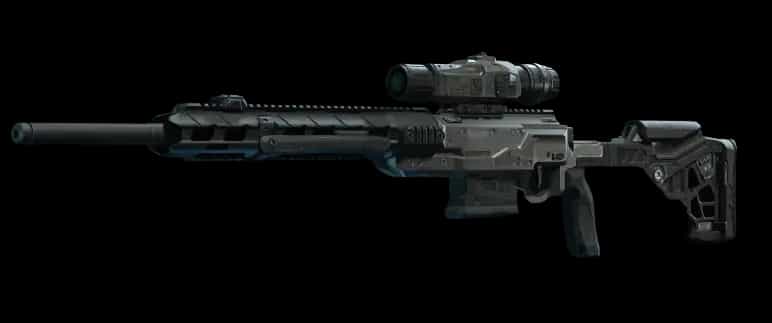
Best Strider-300 Loadout for Warzone: A Long-Range Build With Faster Handling
The Strider-300 is built for players who would rather control a fight before the opposing squad ever gets close enough to dictate it. With the right attachments, it becomes a powerful long-range weapon that rewards deliberate positioning, clean target tracking, and knowing when to take a shot rather than firing at everything that moves. This setup leans into the rifle's ranged potential while making a few smart concessions toward handling, so it does not feel unnecessarily sluggish when a fight suddenly shifts from a distant ridge to the building beside you.
Rather than turning the Strider-300 into an ultra-specialized weapon that only works from one rooftop, this configuration gives it enough flexibility to remain useful throughout a Warzone match. The emphasis is still firmly on velocity, effective range, and consistent long-distance performance, but faster reload and handling characteristics help when pressure arrives quickly. It suits a patient Battle Royale player particularly well, although aggressive squads can also use it effectively as the opening weapon in a coordinated push.
Best Loadout
This Strider-300 setup is designed around making long-range shots easier to convert into meaningful damage while reducing some of the downtime that normally comes with a heavier ranged weapon.
| Attachment Slot | Selected Attachment |
|---|---|
| Barrel | 25" Bowen Grooved Barrel |
| Magazine | Carnation Fast Mag |
| Muzzle | Monolithic Suppressor |
| Rear Grip | Hatch Quick Grip |
| Fire Mods | .300 WM Overpressured |
Attachment Analysis
The 25" Bowen Grooved Barrel and .300 WM Overpressured ammunition form the foundation of the build. On a weapon intended to challenge enemies across open terrain, projectile performance matters just as much as raw damage. Improving the rifle's long-range characteristics makes moving targets easier to account for and reduces the amount of compensation required when shooting across streets, rooftops, fields, or the gaps between major points of interest. The result is a setup that feels much more comfortable when you are looking for reliable hits beyond ordinary assault-rifle distance.
Pairing that ranged focus with the Monolithic Suppressor adds another useful layer to the weapon. A suppressed long-range rifle is particularly valuable in Warzone because every shot carries information. The less obvious your firing position is, the more freedom you have to take a second angle, relocate after a knock, or continue pressuring another member of the squad. The suppressor also fits naturally with the build's methodical identity: you are trying to control sightlines without immediately inviting every nearby team to your position.
What prevents the loadout from becoming too cumbersome is the combination of the Hatch Quick Grip and Carnation Fast Mag. Long-range builds can become frustrating when every interaction feels delayed, especially after missing a shot or getting caught while rotating. The Quick Grip helps keep the rifle responsive enough for sudden opportunities, while the Fast Mag reduces the punishment of reloading at an awkward moment. There is still a clear handling trade-off compared with a lighter primary weapon, but the build does not demand that you remain completely static to get value from it.
Taken together, these five attachments create a Strider-300 that is strongest when you have a little room to work. It is not intended to replace an SMG inside stairwells or challenge highly mobile weapons around tight corners. Its strength is giving you a dependable first option against targets that think distance makes them safe, while retaining enough practicality to reposition and re-engage without the weapon becoming a burden.
Gameplay Tips
One habit I would build around this setup is moving immediately after creating pressure. Suppose you catch an enemy crossing from one piece of cover to another and land enough damage to force plates. I would not remain glued to the exact same window waiting for the repeek. Shift a few metres, use another section of the rooftop, or change elevation if the building allows it. With a suppressed rifle, that small adjustment can make the second engagement far less predictable.
There is also no reason to force every distant shot. If a player is sprinting unpredictably across terrain and only exposing a tiny part of their body between rocks, I would rather hold the angle for another second than waste ammunition and advertise the position. The .300 WM Overpressured setup gives you strong projectile performance, but Warzone still rewards timing. A player mantling onto a roof, parachuting toward cover, reviving behind a vehicle, or pausing to plate is a much cleaner target than someone zigzagging at maximum speed.
Where I become cautious is when the squad starts closing the distance. If an enemy crashes through the lower floor of the building and I am still trying to use the Strider-300 through doorways, the fight has already shifted into the wrong territory. I would switch to the secondary early rather than after hearing footsteps directly behind the door. That sounds obvious, but long-range weapons tempt you into squeezing out one more shot. Sometimes that hesitation is exactly what gets you eliminated.
Battle Royale gives this build more breathing room because rotations regularly create long lines of sight. I would look for positions that cover the next movement path rather than simply taking the tallest roof available. Watching a road, hillside, or exposed approach into the safe zone can generate far easier shots than staring at another entrenched squad 200 metres away. If a knock comes during a rotation, that is when I would consider pushing; chasing a cracked enemy who still has hard cover and three teammates beside him is rarely worth surrendering a strong position.
Resurgence changes the rhythm. There are more bodies moving through smaller areas, and a fast reload becomes noticeably more valuable when another target appears before you have fully reset. The Strider-300 can still punish players parachuting back into the map or crossing between buildings, but I would treat it as a weapon for creating an advantage rather than finishing every engagement personally. Damage someone, force them behind cover, let the squad close the space, then find another lane.
One detail I would keep in mind late in a match is how quickly a good firing position can become a trap. A ridge that gives you perfect visibility for thirty seconds might leave you exposed when the circle moves. With this rifle, I would rather rotate slightly early and set up the next shot than stay behind trying to squeeze one final knock out of a collapsing angle.
Conclusion
The Strider-300 with the 25" Bowen Grooved Barrel, Monolithic Suppressor, Carnation Fast Mag, Hatch Quick Grip, and .300 WM Overpressured is a disciplined long-range Warzone setup that combines projectile performance with enough handling support to remain practical during a full match. It rewards positioning and selective aggression rather than constant rushing.
Use it to punish rotations, open squad fights from distance, and force opponents into bad cover. When the engagement collapses into close quarters, resist the temptation to make the Strider-300 solve a problem better left to your secondary. That distinction between knowing when to keep aiming and when to put the rifle away is what gets the most from this build.
PERKS & EQUIPMENT
- Scavenger
- Sprinter
- Tempered
Equipment
- LethalCombat Axe
- TacticalStim Shot