Strider 300 - New Loadout One Shot - Warzone Season 5
MODS
GUIDE
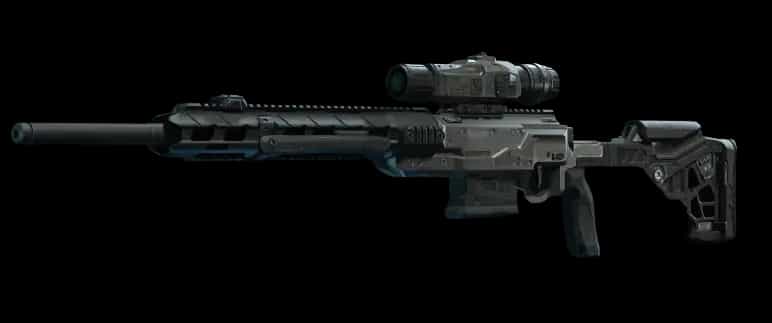
Warzone Strider-300 Loadout: The Best Build for Long-Range Eliminations
The Strider-300 is built for players who prefer deliberate shots over frantic trigger spam. It rewards clean positioning, patient target selection, and the ability to anticipate where an opponent will move next. In the right hands, this sniper rifle can control exposed rotations, punish rooftop peeks, and force enemy squads to burn through armour plates before they can advance.
This setup leans heavily into the Strider-300’s long-range identity. It improves bullet performance and supports faster follow-up actions without turning the rifle into something it is not. The result is a suppressed sniper build suited to disciplined Battle Royale players, confident Resurgence marksmen, and anyone who likes operating from a strong position just behind the main squad push.
Best Loadout
The objective of this build is to make the Strider-300 more dependable when firing across large sections of the map. The barrel, ammunition, and suppressor strengthen its ranged performance, while the rear grip and fast magazine prevent the weapon from feeling unnecessarily cumbersome between shots and engagements.
| Attachment Slot | Selected Attachment |
|---|---|
| Barrel | 25" Bowen Grooved Barrel |
| Muzzle | Monolithic Suppressor |
| Rear Grip | Hatch Quick Grip |
| Fire Mods | .300 WM Overpressured |
| Magazine | Carnation Fast Mag |
Attachment Analysis
The 25" Bowen Grooved Barrel provides the foundation for the entire setup. A sniper rifle needs predictable projectile behaviour when targets are moving between distant pieces of cover, and this barrel helps the Strider-300 perform more consistently in those situations. Its emphasis on ranged efficiency complements the rifle’s natural strengths, making it easier to hold long sightlines and challenge enemies who assume distance will protect them.
That extended barrel works particularly well with the .300 WM Overpressured ammunition. Faster, more effective rounds reduce the amount of lead required against moving targets and make distant shots feel less dependent on guesswork. An enemy sprinting across a road or jumping from one rooftop to another still requires careful tracking, but the combination gives opponents less time to change direction after the shot has been fired. It also helps preserve the rifle’s threat when engagements move beyond the comfortable range of most assault rifles.
Adding the Monolithic Suppressor keeps those powerful shots from advertising the player’s position as clearly as an unsuppressed build would. Suppression is especially valuable on a sniper because every missed shot gives the target information. Remaining harder to locate can buy enough time to change angles, chamber another round, or relocate before the enemy squad identifies the exact window or ridge being used. The suppressor also fits naturally into a range-focused configuration rather than pulling the weapon toward a faster but less controlled style.
The final two attachments address the downtime that often makes heavy sniper builds vulnerable. The Hatch Quick Grip gives the weapon a more responsive feel when raising it for a shot, which matters when a target appears unexpectedly or briefly exposes itself. Meanwhile, the Carnation Fast Mag shortens one of the most dangerous moments for any sniper: reloading while enemies are already applying pressure. This build remains methodical, but those handling improvements make it less punishing when the fight suddenly changes pace.
Gameplay Tips
A common mistake with the Strider-300 is staying scoped for too long. I would regularly break aim, check the edges of the screen, and reacquire the target rather than developing tunnel vision. A player crossing open ground may look like an easy elimination, but their teammates could already be watching the scope glint from another angle. Take the shot, read the reaction, and decide whether the same position is still safe.
When holding a rooftop, I would avoid repeatedly peeking from the highest and most obvious point. The suppressor helps conceal the firing location, but it does not make careless positioning invisible. Moving between different pieces of cover after each shot creates uncertainty and makes return fire much harder. Even shifting from one side of an air-conditioning unit to the other can be enough to disrupt an enemy sniper’s pre-aim.
The Strider-300 feels most convincing when opponents have committed to predictable movement. Rotations across roads, hillsides, and gaps between buildings provide the cleanest opportunities. Against a target sprinting laterally, I would place the crosshair slightly ahead of their path and trust the Overpressured rounds rather than overcompensating. If the first shot only removes armour, chasing the finish is not always worth exposing myself. Sometimes the better decision is to watch the nearest cover and catch the opponent when they peek or attempt to continue the rotation.
Inside buildings, the rifle becomes far less forgiving. If an SMG player suddenly reaches the staircase, I would switch weapons immediately instead of gambling on a rushed sniper shot. The Hatch Quick Grip improves responsiveness, but it cannot replace a proper close-range secondary. A mobile SMG is the natural partner for this build, particularly in Resurgence where enemies can collapse on a firing position within seconds.
Battle Royale gives the Strider-300 more room to dictate engagements. I would use it from the edge of the squad formation, looking for an opening knock before teammates cross exposed terrain or push a defended building. The Carnation Fast Mag becomes useful after that first exchange: reload behind cover, change the angle, and be ready for the revive attempt rather than staring at the downed opponent.
Resurgence calls for a less stubborn approach. There is rarely enough time to remain on one rooftop and trade shots indefinitely. Take the available opportunity, communicate any armour break, and move with the squad before another team arrives. One habit matters more than trying to force spectacular shots: never let a cracked enemy lure you into sprinting through a doorway with the Strider-300 still in your hands.
Conclusion
This Strider-300 build gives Warzone players a powerful, controlled option for shaping fights before they reach close quarters. The 25" Bowen Grooved Barrel, Monolithic Suppressor, and .300 WM Overpressured ammunition strengthen its long-range performance, while the Hatch Quick Grip and Carnation Fast Mag keep its handling practical under pressure.
It will not rescue reckless pushes or replace a reliable secondary indoors. From a protected angle, however, it can make every exposed rotation feel dangerous and give a coordinated squad the opening it needs to take control of an engagement.
PERKS & EQUIPMENT
- Drill Instructor
- Sprinter
- Hunter
Equipment
- LethalSemtex
- TacticalSmoke Grenade