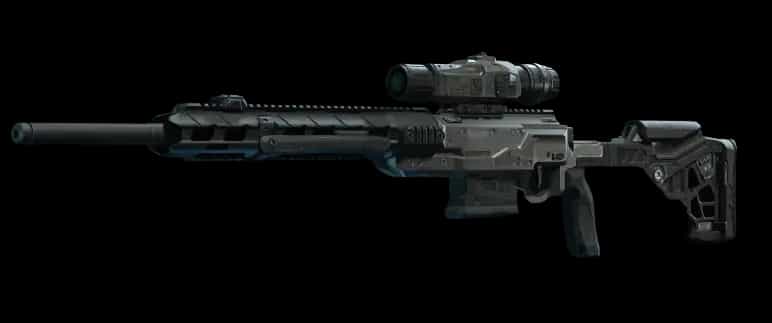
Strider 300 - Loadout WhosImmortal
MODS
GUIDE
Best Strider 300 Loadout for Warzone: A Fast, Suppressed Long-Range Build
The Strider 300 is the kind of Warzone weapon that rewards patience without forcing you into an overly passive playstyle. Built around heavy .300 WM ammunition and strong long-range potential, it naturally belongs in fights where positioning, clean sightlines, and accurate opening shots matter more than spraying through an entire magazine. What makes this particular setup interesting is that it does not chase maximum stability at the expense of everything else. Instead, it combines range and projectile performance with faster handling, giving the Strider 300 enough responsiveness to remain useful when a fight suddenly changes pace.
This configuration is particularly well suited to players who like working from rooftops, ridgelines, elevated windows, or the edge of a squad fight rather than sitting hundreds of metres away waiting for a perfect target. The long barrel and Overpressured ammunition strengthen the weapon's ranged identity, while the quicker magazine and rear grip make it less punishing when you have to reload, reacquire a target, or react after repositioning. Add suppression into the mix and you get a more flexible long-range setup that fits naturally into coordinated Battle Royale squads as well as aggressive Resurgence rotations.
Best Loadout
The goal with this Strider 300 build is to preserve its threatening long-distance performance while cutting down some of the sluggishness that can make heavy weapons frustrating during faster Warzone engagements.
| Attachment Slot | Selected Attachment |
|---|---|
| Barrel | 25" Bowen Grooved Barrel |
| Muzzle | Monolithic Suppressor |
| Fire Mods | .300 WM Overpressured |
| Rear Grip | Hatch Quick Grip |
| Magazine | Carnation Fast Mag |
Attachment Analysis
The 25" Bowen Grooved Barrel is the foundation of the setup because it pushes the Strider 300 further toward the ranges where a weapon of this type should be doing its best work. Combined with .300 WM Overpressured, the build is focused on keeping shots effective against distant enemies and making moving targets easier to lead. Faster projectile behaviour becomes particularly valuable in Warzone because targets rarely stand still for long; players are constantly jumping from cover, parachuting between elevations, rotating across roads, or sprinting toward buildings. Reducing the amount of compensation required makes those shots considerably more manageable.
Pairing that ranged package with the Monolithic Suppressor gives the weapon a more controlled tactical identity. A long-range shot already provides plenty of information to enemy squads, so avoiding unnecessary exposure is extremely useful when several teams are occupying the same section of the map. Suppression also suits a weapon that often relies on taking the first clean shot before the opposing squad knows exactly where the pressure is coming from. Rather than turning the Strider 300 into a static sniper-platform-style build, the attachment combination encourages firing, shifting position, and finding another angle before enemies can comfortably return fire.
The other half of the loadout is about making the weapon less cumbersome. The Hatch Quick Grip adds handling value to a setup that would otherwise lean heavily toward range, while the Carnation Fast Mag helps reduce one of the biggest interruptions during squad engagements: downtime between magazines. You are not carrying a weapon designed to dump bullets continuously, so every missed shot and every reload matters. A faster magazine system lets you reset more comfortably after pressuring multiple enemies, particularly when teammates are keeping the opposing squad occupied.
There is a deliberate trade-off here. This is not a build dedicated entirely to eliminating every trace of movement or maximizing raw aiming stability. The idea is to retain enough speed to react when someone appears at a different elevation or when you have to leave a firing position quickly. With the long barrel, suppressor, and Overpressured rounds handling the ranged side of the equation, the rear grip and magazine stop the Strider 300 from feeling like a weapon you can only use while permanently anchored to one rooftop.
Gameplay Tips
One thing I would resist with this setup is the temptation to stay glued to the same firing angle after landing a strong opening shot. Suppose you crack someone crossing from one building to another. I would take the follow-up if it is clean, but I would not keep exposing the same shoulder for several seconds while their squad starts searching windows and rooftops. The suppressed setup is much more useful when you exploit uncertainty: fire, move a few metres, change elevation if possible, and make the next peek come from somewhere slightly different.
Targets moving through open ground are exactly where I want the Strider 300 doing the work. The combination of the long barrel and Overpressured ammunition makes leading a sprinting enemy or someone trying to reach a vehicle less awkward. I would still favour deliberate shots rather than rushing the trigger. Missing three hurried attempts usually creates a worse situation than waiting another fraction of a second for the player's movement to become predictable.
Inside buildings, my attitude changes immediately. I would not try to prove that a long-range weapon can survive an SMG duel in a stairwell. If footsteps suddenly appear beneath a rooftop or an enemy crashes through a doorway, that is the moment to switch weapons rather than forcing another Strider shot. This build has improved handling, but those attachments are there to make a heavy weapon more comfortable, not to rewrite its role.
Resurgence creates some interesting opportunities because enemies often redeploy into exposed areas or sprint between cover with very little patience. I would use the Strider 300 to punish those transitions, especially from an elevated position where I can see parachutes, rooftops, and rotation paths simultaneously. What I would avoid is chasing every cracked opponent. If someone disappears down a staircase after taking damage, following them with this weapon equipped can turn a favourable engagement into an unnecessary close-range gamble.
The Carnation Fast Mag matters most when the pressure starts coming in waves. After shooting at two or three members of a squad, I would rather reload during a short lull than discover I am nearly empty when another target crosses my sightline. That small habit becomes even more valuable near the final circles, where there may be several teams rotating at once. With the Strider 300, being ready for the next exposed player is usually more valuable than desperately squeezing one extra shot into an enemy who has already made it behind cover.
Conclusion
This Strider 300 Warzone loadout builds around the weapon's natural long-range strengths without accepting unnecessarily slow handling as the price of admission. The 25" Bowen Grooved Barrel, Monolithic Suppressor, and .300 WM Overpressured ammunition create a strong ranged core, while the Hatch Quick Grip and Carnation Fast Mag give the setup enough pace to function in the constantly shifting fights that define Warzone.
It is a build for measured aggression rather than stationary sniping. Find a useful angle, punish exposed movement, then relocate before the enemy squad settles into the fight. If that style matches the way you approach rotations and ranged engagements, this Strider 300 configuration deserves a place in your next loadout.
PERKS & EQUIPMENT
- Scavenger
- Sprinter
- Tempered
Equipment
- LethalSemtex
- TacticalStim Shot