Strider 300 - Top Loadout Booya
MODS
GUIDE
Best Strider 300 Loadout for Warzone: Fast, Aggressive Sniper Build
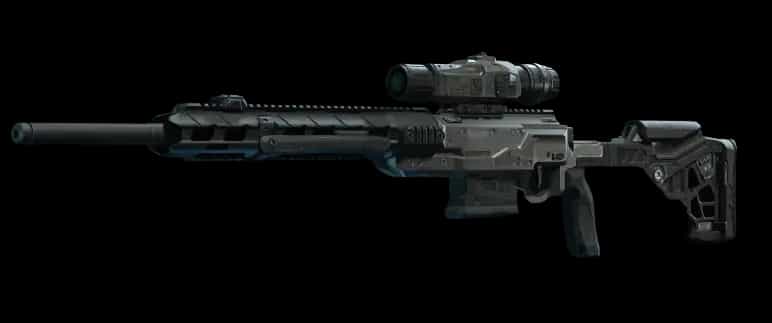
The Strider 300 is the kind of Warzone sniper that makes the most sense when you refuse to spend an entire match sitting on the edge of the map. With the right setup, it can deliver the reach and hitting power expected from a .300-caliber rifle while keeping enough responsiveness for aggressive rotations, quick peeks, and repeated shots against squads moving through exposed areas. Rather than building exclusively for maximum steadiness, this loadout gives the rifle a more flexible identity.
That flexibility is important in Warzone. Sniping rarely happens under perfect conditions: enemies slide between cover, plates disappear behind rooftops, teammates call for a push, and a clean shot can turn into a close-range fight seconds later. The Strider 300 setup below is designed around faster handling, strong projectile performance, and reduced downtime between engagements. It suits players who want to create openings with the sniper and then immediately act on them rather than simply watching distant sightlines.
Best Loadout
This Strider 300 configuration combines a long barrel and high-performance ammunition with attachments focused on improving handling speed. The result is a sniper build that still feels committed to ranged combat without becoming unnecessarily cumbersome.
| Attachment Slot | Selected Attachment |
|---|---|
| Barrel | 25" Bowen Grooved Barrel |
| Magazine | Carnation Fast Mag |
| Laser | 1MW Instinct Laser |
| Rear Grip | Hatch Quick Grip |
| Fire Mods | .300 WM Overpressured |
Attachment Analysis
The 25" Bowen Grooved Barrel establishes the long-range foundation of the build. On a sniper rifle, consistency matters just as much as theoretical damage, and a longer barrel is particularly valuable when you're trying to make difficult shots across streets, rooftops, hillsides, or open rotations. Combined with .300 WM Overpressured ammunition, the setup is clearly geared toward keeping shots effective as engagement distance increases. Faster projectile travel makes moving targets easier to read because you do not need to exaggerate your lead quite as much, especially against enemies sprinting perpendicular to your position.
What stops the Strider 300 from becoming a slow, overly specialized sniper is the handling package around that core. The 1MW Instinct Laser and Hatch Quick Grip push the build toward faster reactions, helping the rifle feel more comfortable when you need to shoulder it quickly after leaving cover. That matters far more in active squad fights than shaving a tiny amount of movement from an already comfortable long-range shot. You can peek, acquire a target, fire, and disappear again without treating every engagement like a static firing-range exercise.
The Carnation Fast Mag completes that philosophy. A sniper reload often happens at the worst possible moment: immediately after cracking one opponent while another starts challenging your angle. Cutting down the amount of time spent unable to fire gives the Strider 300 more value during extended team fights, particularly when you are constantly moving between windows, head glitches, rocks, and rooftop cover.
There is a trade-off here. This is not a build dedicated entirely to absolute aiming stability or recoil reduction. Instead, its attachments distribute the weapon's strengths between ranged performance and speed of operation. That makes the Strider 300 considerably more practical for players who want their sniper to participate in the flow of the match rather than force the rest of their strategy to revolve around the rifle.
Gameplay Tips
I wouldn't use this Strider 300 as an excuse to sit 200 meters away from every fight. The build has enough long-range potential for those shots, but its handling choices become much more valuable when you're close enough to capitalize on damage. Give me an elevated position overlooking a road, a courtyard, or the space between two buildings and I'm looking for the player who has already committed to crossing. One clean hit can force that enemy behind cover and give your squad several seconds to advance.
Moving targets are where the projectile-focused setup starts to earn its place. When an opponent breaks from a rooftop and sprints toward another building, I'd rather take the shot early than wait for them to stop. Keep the reticle slightly ahead of their path, commit to the shot, and immediately prepare for where they are likely to appear next. Sniping in Warzone becomes much easier when you think about the enemy's destination rather than trying to constantly chase their character model with your aim.
Inside buildings, I wouldn't get stubborn. If an SMG player suddenly appears at the bottom of a staircase, trying to force a perfect sniper shot is usually a bad bargain. Swap weapons. The Strider 300 should start fights or punish exposed movement; it does not need to finish every engagement personally. That distinction matters even more in Resurgence, where opponents can appear from unexpected windows, staircases, and redeployment angles with very little warning.
The fast magazine also changes how aggressively I'd manage ammunition during squad pressure. If I have already fired several rounds and there is a brief lull, I would rather reload immediately than enter the next peek with an uncertain magazine. Sniper opportunities can disappear in a second. Losing one because you are reloading after an enemy finally leaves cover is far more frustrating than refreshing the magazine slightly early.
Battle Royale rewards patience with this setup, but patience does not mean inactivity. During a late rotation, I'd use the Strider 300 to watch the angles that other teams must cross rather than constantly searching for extremely distant eliminations. A cracked opponent in open terrain may be more valuable than a spectacular shot against someone you cannot realistically push. In Resurgence, I'd compress that thinking: take the first useful shot, reposition after revealing the angle, and expect the return challenge quickly.
One habit I would avoid is repeating the exact same rooftop peek after landing a strong shot. Experienced squads will immediately pre-aim the position you just used. Move a few meters, change elevation, switch windows, or force them to guess. With a responsive sniper like this, mobility between shots is part of the weapon's advantage, and wasting that advantage by becoming predictable defeats the point of the build.
Conclusion
This Strider 300 Warzone loadout builds around a useful middle ground: serious ranged capability without turning the rifle into a sluggish specialist weapon. The 25" Bowen Grooved Barrel and .300 WM Overpressured ammunition strengthen its performance against distant and moving targets, while the Carnation Fast Mag, 1MW Instinct Laser, and Hatch Quick Grip keep the weapon ready for faster, more fluid engagements.
It is a setup for players who see sniping as a way to control fights rather than simply collect long-distance shots. Use the Strider 300 to punish rotations, create openings, and pressure opponents out of comfortable positions, then move before they settle into your rhythm. That combination of reach and responsiveness gives this build a place in both calculated Battle Royale games and the much messier pace of Resurgence.
PERKS & EQUIPMENT
- Scavenger
- Sprinter
- Tempered
Equipment
- LethalCombat Axe
- TacticalStim Shot