Top Loadout TTK Long Range - Sniper - Strider 300
MODS
GUIDE
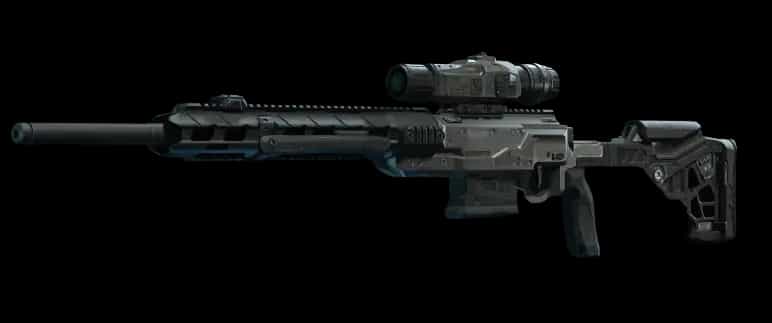
Best Strider 300 Loadout for Warzone: A Powerful Sniper Build for Long-Range Fights
The Strider 300 is a sniper rifle built for players who prefer precision, patience, and calculated engagements over constant aggression. In Call of Duty: Warzone, having a weapon capable of threatening enemies across open terrain can completely change how a squad approaches rotations, rooftops, and contested positions. The Strider 300 offers an appealing option for anyone who enjoys controlling fights from a distance.
What makes this sniper particularly interesting is the opportunity to balance long-range performance with enough responsiveness to remain useful when engagements become unpredictable. A powerful rifle is only as effective as the opportunities you create with it, and spending too long aiming down sights can leave you exposed to enemy fire.
This best Strider 300 loadout in Warzone focuses on long-distance shooting, faster weapon handling, and maintaining pressure without unnecessarily revealing your position. It is designed for deliberate sniping rather than aggressive quickscoping, making it especially appealing to players who enjoy holding strong positions and punishing opponents during rotations.
Best Loadout
The following five attachments combine a long barrel and powerful ammunition with practical handling improvements. The objective is to make the Strider 300 threatening at distance while reducing some of the inconvenience associated with operating a heavy sniper rifle.
| Attachment Slot | Selected Attachment |
|---|---|
| Barrel | 25" Bowen Grooved Barrel |
| Fire Mods | .300 WM Overpressured |
| Magazine | Carnation Fast Mag |
| Muzzle | Monolithic Suppressor |
| Rear Grip | Hatch Quick Grip |
Rather than dedicating every attachment to maximum range, this configuration makes room for faster reloads and more responsive handling. Those choices matter when an initial shot fails to finish an opponent or when an enemy squad begins closing the distance.
Attachment Analysis
The 25" Bowen Grooved Barrel forms the foundation of this Strider 300 configuration. Its long-barrel design fits a precision-focused approach, where consistent shooting across considerable distances matters more than aggressive movement. Combined with .300 WM Overpressured ammunition, the setup prioritizes the ballistic side of sniping, particularly bullet travel and the ability to engage targets moving through exposed areas.
Bullet velocity is especially valuable for a sniper rifle because moving enemies rarely provide stationary targets. Faster projectiles can reduce the amount of lead required when tracking someone sprinting across a road or moving between buildings. That does not eliminate the need to account for distance and movement, but it can make the timing of difficult shots more manageable.
The Monolithic Suppressor adds another useful dimension to the build. Suppressed shooting is valuable when operating from rooftops, hillsides, or elevated windows because it helps limit the information enemies receive from your shots. A suppressor does not make a sniper invisible, however. Opponents can still identify your position through visual cues, shot direction, or repeated fire from the same angle.
Where this configuration becomes more flexible is in its handling attachments. The Hatch Quick Grip supports a more responsive approach to aiming, which is useful when an unexpected target appears or when you need to reacquire an opponent after repositioning. A sniper that takes too long to bring onto target can miss valuable opportunities, even when its damage potential is excellent.
Meanwhile, the Carnation Fast Mag addresses a different problem: downtime between engagements. Reloading a sniper rifle while another squad is pushing can be dangerous, particularly when teammates are relying on you to hold an exposed lane. Faster magazine handling helps you return to the fight sooner.
Together, these attachments create a clear identity for the Strider 300: a long-range sniper build that values powerful shots without completely sacrificing practical responsiveness. It is not intended to compete with SMGs inside buildings, and its effectiveness still depends heavily on positioning, timing, and shot placement.
Gameplay Tips
One situation where I'd want the Strider 300 is when an enemy squad has to cross open ground to reach the next safe zone. Rather than shooting immediately at the first visible player, I'd watch how the group moves. Someone sprinting in a straight line is tempting, but the better opportunity might be the teammate who pauses behind limited cover or slows down to check the route ahead.
The first shot should create an advantage, not simply announce your presence.
I would also resist the temptation to remain scoped in after every shot. Sniper players often become so focused on finishing a damaged opponent that they forget the rest of the enemy team exists. If I land a strong hit from a rooftop, my next decision depends on whether teammates can capitalize on it. If they cannot, changing position may be more valuable than repeatedly challenging the same angle.
Against moving targets, I'd favor predictable moments over spectacular attempts. Players climbing ladders, jumping between rooftops, or leaving cover to reach a Buy Station often provide brief windows where their movement becomes easier to anticipate. The Strider 300 rewards identifying those moments before they happen.
Resurgence requires a different level of discipline. With frequent close-range encounters and rapid third-party pressure, I'd avoid treating the sniper as my only offensive option. A reliable SMG makes much more sense for clearing rooms and responding to aggressive opponents. The Strider 300 should help create an opening before the push, not become the weapon you're desperately trying to use when someone slides through a doorway.
In Battle Royale, I would give this setup more freedom to dictate the pace of an engagement. Holding a ridge overlooking a rotation route can be extremely effective, particularly when teammates are covering the approaches. Still, I'd keep checking the surrounding terrain. A sniper scope offers excellent visibility in one direction while making it remarkably easy to miss enemies approaching from another.
The Carnation Fast Mag is useful here, but I wouldn't interpret faster reloading as permission to shoot carelessly. When several opponents are visible, target selection matters more than volume of fire. I'd prioritize exposed enemies, opponents already weakened by teammates, or players attempting to revive someone behind inadequate cover.
There is also a moment when chasing a downed or damaged opponent becomes a mistake. If someone escapes behind a building and their teammates begin watching your position, pushing forward with a sniper can surrender the advantage you just created. I'd rather force the squad to spend time recovering while my team moves into a better position.
A habit worth developing is relocating after a couple of shots, especially when using elevated cover. The Monolithic Suppressor helps with discretion, but the longer you occupy the same window, the easier it becomes for opponents to anticipate your next peek. Sometimes moving just a few metres to a different sightline is enough to catch an enemy looking in the wrong direction.
Conclusion
The Strider 300 loadout for Warzone offers an appealing combination of long-range firepower, ballistic-focused attachments, and handling improvements that make the rifle more practical during changing engagements.
The 25" Bowen Grooved Barrel and .300 WM Overpressured ammunition establish its precision-oriented identity, while the Monolithic Suppressor, Carnation Fast Mag, and Hatch Quick Grip provide useful support for a more controlled sniping playstyle.
If you enjoy finding strong positions, disrupting enemy rotations, and creating opportunities for your squad before a direct confrontation begins, this configuration deserves a place in your loadout selection. The Strider 300 is most threatening when you make opponents move on your terms rather than allowing them to dictate the fight.
PERKS & EQUIPMENT
- Scavenger
- Sprinter
- Tempered
Equipment
- LethalCombat Axe
- TacticalStim Shot