Kilo 141 - COD Mobile
MODS
GUIDE
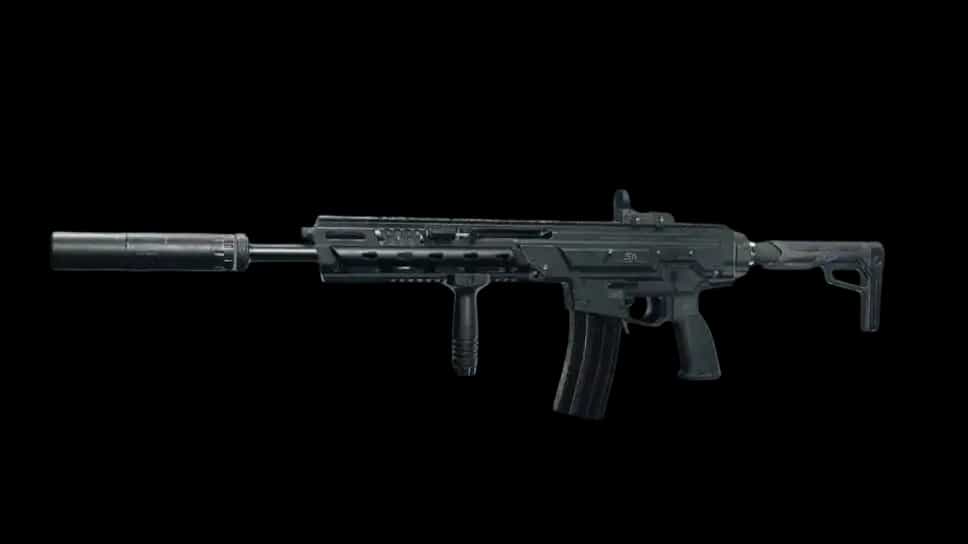
Best Kilo 141 Loadout for Call of Duty: Mobile
The Kilo 141 remains one of the most dependable assault rifles in Call of Duty: Mobile, especially for players who value accuracy over reckless aggression. Its predictable recoil pattern, clean iron sights, and consistent performance make it a strong choice across a wide range of multiplayer maps. While it may not always deliver the fastest close-range elimination time, it rewards disciplined aim and intelligent positioning with remarkably steady results.
This particular build turns the Kilo 141 into a controlled mid-to-long-range rifle designed for holding lanes, supporting teammates, and challenging enemies before they can close the distance. It suits tactical players who prefer pre-aiming important routes, rotating between power positions, and taking calculated gunfights. Aggressive players can still move around the map effectively, but the setup performs best when its user avoids unnecessary point-blank engagements.
Best Loadout
The following combination focuses on extending the Kilo 141’s effective range while improving recoil control and aiming stability. It sacrifices some mobility and handling speed in exchange for a much more reliable shooting platform.
| Attachment Slot | Selected Attachment |
|---|---|
| Muzzle | Monolithic Suppressor |
| Barrel | OWC Marksman |
| Laser | OWC Laser - Tactical |
| Stock | RTC Steady Stock |
| Underbarrel | Ranger Foregrip |
Attachment Analysis
At the heart of this Kilo 141 loadout is the partnership between the Monolithic Suppressor and the OWC Marksman barrel. Both attachments help the rifle remain competitive beyond typical assault-rifle distances, allowing bullets to retain stronger damage across open sections of the map. The suppressor also keeps shots hidden from the enemy minimap, which is particularly valuable when defending a lane or firing from an elevated position. Opponents may hear the weapon, but they will have a harder time immediately identifying the shooter’s exact location.
The OWC Marksman does more than improve range. It gives the Kilo 141 additional recoil control and firing stability, making sustained bursts easier to manage. Combined with the Ranger Foregrip, the rifle becomes exceptionally composed during automatic fire. Horizontal movement is reduced, vertical climb becomes more predictable, and the sight picture remains centered during longer engagements. Instead of constantly pulling the aim back toward the target, players can make smaller corrections and focus on tracking enemy movement.
A stability-focused build can sometimes feel sluggish, so the OWC Laser - Tactical plays an important balancing role. It improves aim-down-sight speed and helps tighten accuracy while aiming, preventing the setup from becoming completely dependent on slow pre-aiming. The laser does not transform the rifle into a lightweight rushing weapon, but it provides enough responsiveness to challenge enemies after turning a corner or repositioning behind cover. Players should remember that the visible laser can reveal their angle while aiming, so holding the same doorway for too long may give an observant opponent advance warning.
The RTC Steady Stock completes the configuration by improving control during prolonged gunfights. Its added stability is most noticeable when firing at targets near the edge of the Kilo 141’s comfortable range. With the stock, foregrip, and barrel working together, the weapon feels less affected by minor aiming errors. That consistency is useful against enemies using head glitches, moving between distant cover, or attempting to return fire with marksman rifles and other assault rifles.
There is a clear trade-off behind all this precision. The heavier attachments reduce mobility and make the Kilo 141 less responsive than a close-quarters build. Sprint-to-fire speed and general movement can feel slower, while the aim-down-sight time remains only partially recovered by the tactical laser. The result is a rifle that favors preparation rather than reaction. When the player enters a fight with the weapon already raised, the setup is extremely difficult to challenge. When caught sprinting at close range, however, it can struggle against SMGs and faster assault-rifle configurations.
Gameplay Tips
The ideal combat range for this build is approximately medium to long distance. It excels on maps with extended sightlines, layered cover, and predictable rotation routes. Areas such as central lanes, balconies, windows, and defensive head-glitch positions allow the Kilo 141 to take full advantage of its range and recoil control. Short, controlled bursts are effective against distant targets, although the rifle is stable enough for sustained automatic fire when an opponent is fully exposed.
A methodical playstyle produces the best results. Move from cover to cover, keep the crosshair near likely enemy positions, and aim before entering contested areas whenever possible. Because the suppressor prevents every shot from immediately exposing the player on the minimap, changing positions after one or two eliminations can create considerable confusion. Enemies may push the previous firing angle while the Kilo user has already shifted to another line of sight.
This loadout is particularly useful in Domination and Hardpoint, where controlling approaches to an objective is often more important than charging directly onto it. From a supporting position, the Kilo 141 can cut off reinforcements, protect teammates capturing a flag, or punish opponents entering a hill through exposed routes. It also works well in Search and Destroy, where silent firing and reliable first-shot accuracy can decide a round before the enemy team understands where the attack originated.
Close-range combat represents the build’s biggest weakness. Players should avoid blindly sprinting into buildings or challenging SMG users inside tight rooms. When entering confined spaces is unavoidable, prepare the weapon early and use cover to reduce the number of angles that must be watched. Pairing the Kilo 141 with perks and equipment that improve awareness can also help prevent sudden flanks, allowing the rifle to remain focused on the deliberate engagements it handles best.
Conclusion
This Kilo 141 setup delivers a disciplined combination of range, suppression, recoil control, and aiming stability. It may feel heavier than a standard multiplayer build, but that reduced mobility buys an impressive level of consistency in medium- and long-range battles. Players who enjoy locking down lanes, protecting objectives, and winning gunfights through accuracy rather than raw speed will find plenty of value in this configuration. Take it onto a map with open sightlines, play patiently around cover, and the Kilo 141 becomes a reliable anchor for almost any team.
PERKS & EQUIPMENT
- Dead Silence
- Quick Fix
- Lightweight
Equipment
- LethalFrag
- TacticalSmoke Grenade