Shipment Is Back in MW4 — But There’s a Twist
Call of Duty’s most chaotic map returns on October 27 with a brand-new look. Here’s what’s changing in Modern Warfare 4 and why players should be excited.
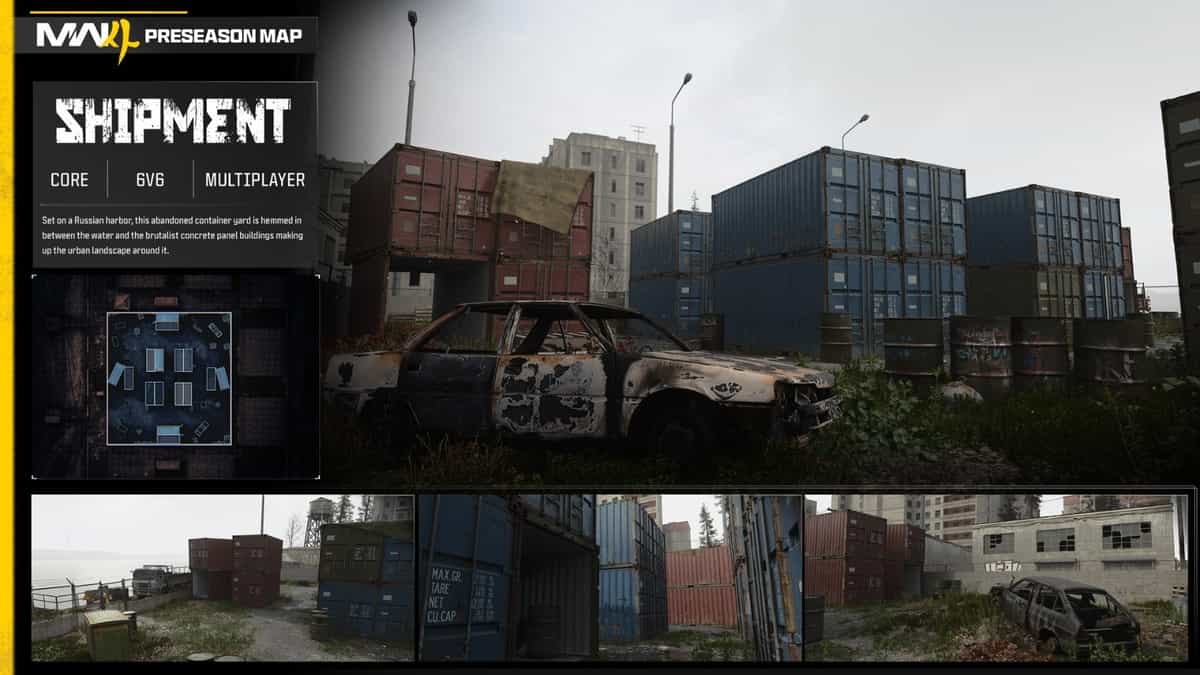
Shipment is officially returning to Call of Duty: Modern Warfare 4 on October 27, 2026, just four days after the game's October 23 launch. Activision has confirmed that the fan-favorite multiplayer map will retain its recognizable layout while introducing a refreshed setting built around a Russian harbor.
The announcement comes from the official Modern Warfare 4 multiplayer maps and modes overview, published on October 21, which provides the clearest look yet at what players can expect during the game's opening days.
What Shipment looks like in Modern Warfare 4
The new version of Shipment moves the action to a Russian harbor, with water bordering the location and concrete apartment buildings rising beyond the playable area.
Despite the visual changes, Activision says the map retains its classic layout and familiar appearance. Players should therefore expect the compact battlefield that made Shipment one of Call of Duty's most recognizable multiplayer locations, rather than a substantially redesigned arena.
Shipment is confirmed as a 6v6 Core multiplayer map, preserving the format associated with its traditional fast-paced encounters.
Its small footprint has historically encouraged constant engagements, limited opportunities to disengage and intense close-quarters firefights. That makes the returning map particularly interesting for players who prefer frequent combat over the longer rotations and varied engagement distances found on larger maps.
The familiar layout also means that returning players should already have an understanding of its basic positioning and routes. However, exactly how Modern Warfare 4's movement and gameplay systems will influence those familiar encounters remains to be seen.
Why Shipment's return matters for weapon progression
Shipment has long been popular among players working through weapon progression and camouflage challenges, largely because its compact design creates frequent opportunities to engage opponents.